
Introduction
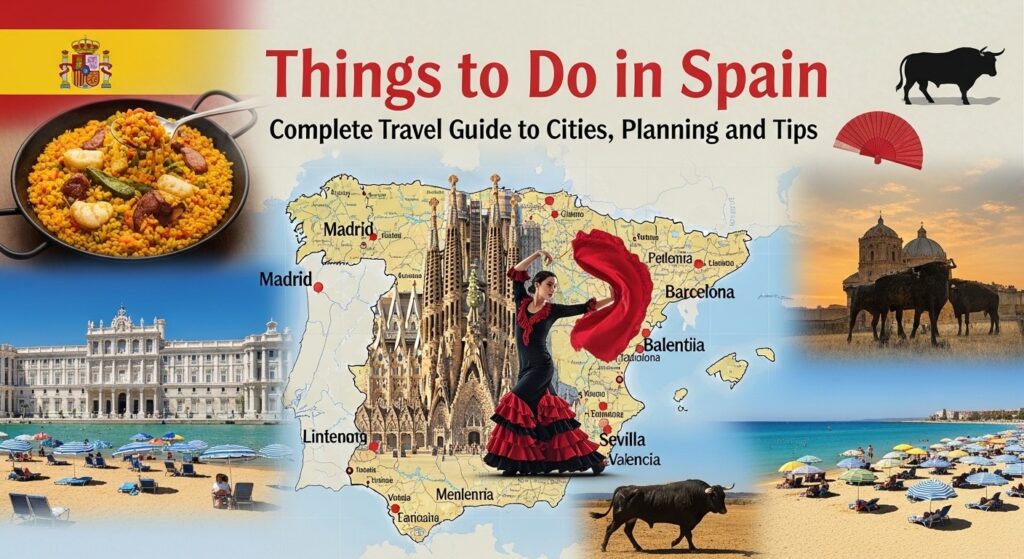
Spain is one of the most vibrant, passionate and diverse countries in the entire world. It is a country where ancient history meets modern energy, where world class cuisine fills every street corner and where every region has its own distinct identity, language and culture. The things to do in Spain are as varied and exciting as the country itself, offering something extraordinary for every type of traveler.
This Spain travel guide is designed to help you explore the country with confidence and excitement. Whether you are drawn to the architectural masterpieces of Barcelona, the royal grandeur of Madrid, the deeply rooted Flamenco culture of Seville or the breathtaking natural beauty of Granada and the Andalusian mountains, Spain will captivate you at every turn.
Spain is also one of the most accessible and well connected countries in Europe. An excellent network of high speed AVE trains, budget airlines and modern motorways makes traveling between regions smooth and affordable. With a well planned Spain itinerary, you can experience the very best this incredible country has to offer across its many diverse regions.
Best Places to Visit in Spain
Choosing the best places to visit in Spain can feel overwhelming given how much the country has to offer. The best cities in Spain to visit include Barcelona, Madrid, Seville, Granada, San Sebastian, Valencia and Cordoba, each offering a completely unique atmosphere, culture and set of experiences.
Beyond the cities, Spain offers stunning natural landscapes including the volcanic islands of the Canary Islands, the lush green coastline of the Basque Country, the dramatic Sierra Nevada mountains and the sun drenched beaches of the Costa del Sol. Spain is a country that rewards exploration at every level, from its most famous landmarks to its quietest and most authentic corners.
Barcelona Travel Guide
Barcelona is one of the most exciting and visually stunning cities in the entire world. It is a city that pulses with creativity, architecture, beach life and an energy that is completely unique. This Barcelona travel guide will help you experience everything this magnificent city has to offer.
Things to Do in Barcelona
Things to do in Barcelona include visiting the breathtaking Sagrada Familia, exploring the whimsical Park Guell designed by Antoni Gaudi, strolling along the famous La Rambla boulevard, discovering the Gothic Quarter with its medieval streets and hidden squares, relaxing on Barceloneta beach, visiting the stunning Casa Batllo and Casa Mila, exploring the vibrant Boqueria market, experiencing the world class food and nightlife scene and taking in panoramic city views from Bunkers del Carmel.
Best Places to Visit in Barcelona
- Sagrada Familia: Gaudi’s magnificent and still unfinished basilica, one of the most extraordinary buildings in the world
- Park Guell: A colorful and fantastical public park designed by Gaudi with stunning views over Barcelona
- Gothic Quarter: The historic medieval heart of Barcelona with narrow winding streets and impressive ancient architecture
- Casa Batllo: One of Gaudi’s most celebrated works, a breathtaking building on the famous Passeig de Gracia
- La Boqueria: One of the most vibrant and famous food markets in Europe, perfect for sampling local produce
- Barceloneta Beach: The most popular beach in Barcelona, perfect for relaxing after a day of sightseeing
- Camp Nou: The legendary home stadium of FC Barcelona and one of the most iconic sporting venues in the world
- Bunkers del Carmel: A hilltop viewpoint offering the most spectacular panoramic views over the entire city
Barcelona Travel Tips
Book Sagrada Familia and Park Guell tickets well in advance as they sell out very quickly especially during peak season. The Barcelona Metro is efficient and affordable for getting around the city. Be vigilant against pickpockets along La Rambla and in the Gothic Quarter as these are the most targeted areas in the city. Explore the Eixample neighborhood for the finest concentration of Modernista architecture outside of the main tourist sites.
Madrid Travel Guide
Madrid is the proud and energetic capital of Spain. It is a city of world class art museums, magnificent royal architecture, buzzing nightlife and an extraordinary food culture that keeps visitors exploring long after they expected to leave. This Madrid travel guide will help you discover the very best of the Spanish capital.
Things to Do in Madrid
Things to do in Madrid include visiting the world famous Prado Museum with its extraordinary collection of European masterpieces, exploring the Royal Palace of Madrid and its magnificent state rooms, relaxing in the beautiful Retiro Park, visiting the Reina Sofia Museum to see Picasso’s legendary Guernica painting, exploring the vibrant La Latina neighborhood and its famous Sunday El Rastro flea market, experiencing the incredible tapas culture of the city, watching a live football match at the Santiago Bernabeu stadium and enjoying the legendary Madrid nightlife scene that is famous throughout Europe.
Best Places to Visit in Madrid
- Prado Museum: One of the greatest art museums in the world housing masterpieces by Velazquez, Goya, El Greco and many others
- Royal Palace of Madrid: The largest royal palace in Western Europe with over 3,000 lavishly decorated rooms
- Retiro Park: A magnificent and beloved urban park in the heart of Madrid, perfect for relaxing and people watching
- Reina Sofia Museum: Home to Picasso’s Guernica and an outstanding collection of modern and contemporary Spanish art
- Plaza Mayor: A grand historic square at the heart of old Madrid, surrounded by beautiful baroque architecture
- La Latina: The most atmospheric and historic neighborhood in Madrid, famous for its tapas bars and Sunday flea market
- Santiago Bernabeu: The legendary home stadium of Real Madrid and one of the most famous football venues in the world
- Gran Via: Madrid’s most famous and impressive boulevard lined with grand early 20th century architecture
Madrid Travel Tips
Madrid is a city that comes alive late. Lunch is typically served from 2pm to 4pm and dinner rarely begins before 9pm so adjust your schedule accordingly. The Madrid Card offers unlimited access to public transport and discounted entry to many museums and attractions. Visit the Prado Museum during the last two hours of opening when entry is free. Madrid is extremely walkable so a good pair of shoes is essential for exploring the city center comfortably.
Seville Travel Guide
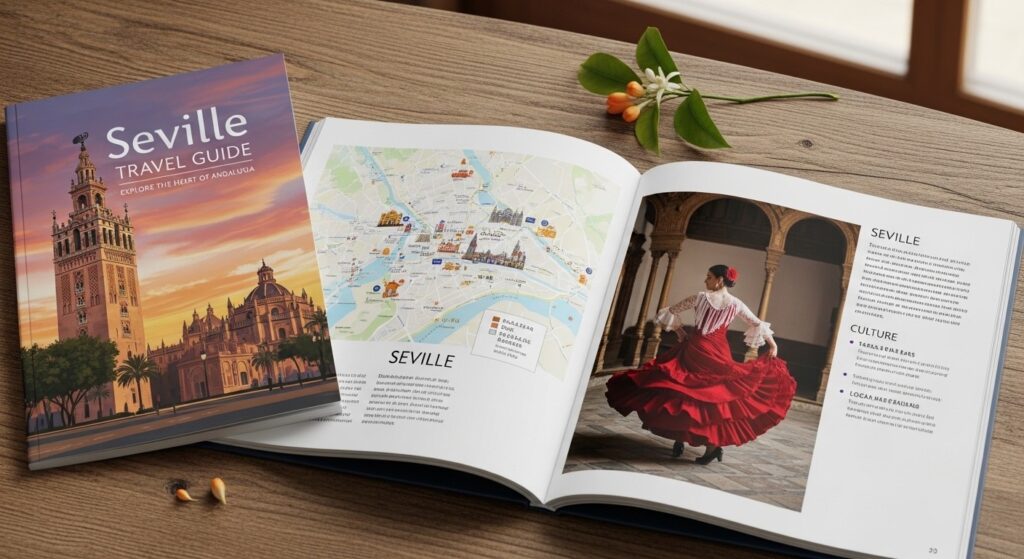
Seville is the soul of Andalusia and one of the most beautiful and atmospheric cities in all of Spain. It is a city of passionate Flamenco dancing, extraordinary Moorish architecture, vibrant festivals and an intoxicating warmth that captivates every visitor. This Seville travel guide covers everything you need to know about this magnificent southern Spanish city.
Things to Do in Seville
Things to do in Seville include visiting the magnificent Real Alcazar palace complex, exploring the stunning Seville Cathedral and climbing the Giralda Tower, watching an authentic Flamenco performance at one of the city’s most respected tablaos, wandering through the charming and colorful Barrio Santa Cruz neighborhood, visiting the impressive Plaza de Espana, crossing the modern Metropol Parasol structure for panoramic city views, exploring the vibrant Triana neighborhood across the river and experiencing the incredible tapas culture that Seville is famous for throughout Spain.
Best Places to Visit in Seville
- Real Alcazar: A stunning UNESCO listed royal palace complex with breathtaking Moorish and Renaissance architecture
- Seville Cathedral: The largest Gothic cathedral in the world and the burial place of Christopher Columbus
- Giralda Tower: The iconic bell tower of Seville Cathedral offering panoramic views over the entire city
- Barrio Santa Cruz: The enchanting former Jewish quarter with narrow whitewashed lanes and beautiful hidden plazas
- Plaza de Espana: One of the most spectacular and photogenic squares in all of Spain
- Metropol Parasol: A striking contemporary wooden structure housing an archaeological museum and rooftop walkway
- Triana: A lively and authentic neighborhood across the Guadalquivir River famous for Flamenco, ceramics and tapas
Granada Travel Guide
Granada is one of the most captivating and historically significant cities in all of Spain. Nestled at the foot of the Sierra Nevada mountains, it is home to one of the greatest architectural achievements in human history and a city where the legacy of Moorish civilization is still deeply felt in every street, building and tradition.
Things to Do in Granada
Things to do in Granada include visiting the breathtaking Alhambra palace and Generalife gardens complex, exploring the atmospheric Albaicin neighborhood with its narrow Moorish streets and stunning views of the Alhambra, visiting the ornate Royal Chapel where Ferdinand and Isabella are buried, discovering the Sacromonte neighborhood famous for its cave dwellings and Flamenco traditions, exploring the Grand Bazaar style Alcaiceria market, enjoying the unique Granada tradition of free tapas with every drink ordered at local bars and taking a day trip to the stunning Sierra Nevada mountains for hiking or skiing.
Best Places to Visit in Granada
- Alhambra: One of the most magnificent palaces ever built, a UNESCO World Heritage Site and the greatest surviving example of Moorish architecture in the world
- Generalife Gardens: The stunning summer palace and gardens of the Nasrid rulers, offering breathtaking views of the Alhambra
- Albaicin: The ancient Moorish quarter of Granada, a UNESCO listed neighborhood of narrow streets, whitewashed houses and stunning viewpoints
- Royal Chapel: The magnificent Gothic chapel built by Ferdinand and Isabella as their burial place
- Sacromonte: A unique hillside neighborhood famous for its cave houses and deeply authentic Flamenco traditions
- Cathedral of Granada: A stunning Renaissance cathedral built on the site of the former Great Mosque of Granada
San Sebastian Travel Guide
San Sebastian is widely regarded as one of the greatest food cities in the entire world and one of the most beautiful coastal destinations in Spain. Located in the Basque Country in northern Spain, it is a city of extraordinary cuisine, a stunning curved bay and a sophistication and elegance that sets it apart from anywhere else in the country.
Things to Do in San Sebastian
Things to do in San Sebastian include experiencing the legendary Pintxos bar culture of the old town, relaxing on the beautiful La Concha beach which is consistently rated among the finest urban beaches in Europe, climbing Monte Urgull for panoramic views over the bay and city, visiting the San Telmo Museum dedicated to Basque history and culture, exploring the charming Parte Vieja old town and its extraordinary concentration of Pintxos bars, taking a cable car up Monte Igueldo for spectacular views and taking day trips to the nearby Basque wine country and the historic town of Hondarribia.
Best Places to Visit in San Sebastian
- La Concha Beach: One of the most beautiful urban beaches in Europe with a perfect crescent shape and stunning setting
- Parte Vieja: The vibrant old town famous for having more Michelin starred restaurants per square meter than anywhere else on earth
- Monte Urgull: A hilltop park with a castle and statue of Christ offering spectacular views over the city and Bay of Biscay
- Monte Igueldo: A hillside viewpoint accessible by historic funicular offering breathtaking panoramic views
- San Telmo Museum: An outstanding museum dedicated to Basque history, culture and contemporary art
- Zurriola Beach: A popular surfing beach on the other side of the river from La Concha, beloved by the local Basque community
Andalusia Travel Guide
The Andalusia travel guide covers one of the most historically rich, culturally vibrant and scenically beautiful regions in all of Spain. Andalusia in southern Spain is the heartland of everything that the world associates with Spanish culture including Flamenco, bullfighting, tapas, Moorish architecture and intense sunshine. It is a region that deserves significant time in any serious Spain itinerary.
Best Places to Visit in Andalusia
Beyond the major cities of Seville and Granada, Andalusia offers many other extraordinary destinations worth exploring. Cordoba is home to the breathtaking Mezquita Cathedral, one of the most extraordinary religious buildings in the world where a Christian cathedral was built directly inside a magnificent Moorish mosque. Ronda is a dramatic hilltop city perched above a deep gorge with one of the most spectacular settings of any town in Spain. The white villages of the Sierra Nevada mountains offer an authentic and beautiful glimpse into traditional Andalusian life. The Costa de la Luz coastline offers some of the finest and least crowded beaches in Spain.
Spain Food Guide
The Spain food guide is an essential part of understanding and enjoying the country fully. Spanish cuisine is one of the greatest in the world and food is absolutely central to Spanish culture, daily life and social interaction.
Must Try Foods in Spain
- Tapas: Small dishes served with drinks, the most fundamental and beloved part of Spanish food culture
- Pintxos: The Basque version of tapas, small bites served on bread and displayed along the bar
- Paella: The iconic Spanish rice dish originating from Valencia, made with seafood, chicken or vegetables
- Jamón Iberico: Exquisitely cured Iberian ham, one of the finest and most celebrated food products in the world
- Gazpacho: A refreshing cold tomato soup from Andalusia, perfect for the intense southern Spanish summer heat
- Churros con Chocolate: Fried dough sticks served with thick hot chocolate, a beloved Spanish breakfast and snack
- Tortilla Española: A thick Spanish omelette made with eggs and potatoes, found in every bar and cafe across the country
- Patatas Bravas: Fried potatoes served with a spicy tomato sauce and aioli, one of the most popular tapas dishes in Spain
Best Food Cities in Spain
San Sebastian is widely considered the food capital of Spain and one of the greatest culinary destinations in the entire world. Barcelona offers an extraordinary range of Catalan cuisine alongside international dining experiences. Madrid is the place to experience the finest traditional Spanish cooking including the legendary cocido madrileño stew. Seville is the heartland of tapas culture where many bars still serve free tapas with every drink ordered.
Spain Public Holidays
Understanding Spain’s public holidays is important when planning your trip as many attractions, shops and restaurants may be closed or operating on reduced hours during these periods. Spain observes both national public holidays and regional holidays that vary between different autonomous communities.
Key National Public Holidays in Spain
- January 1: New Years Day
- January 6: Epiphany, one of the most important celebrations in the Spanish calendar
- Good Friday: A deeply significant religious holiday observed across the entire country
- May 1: Labor Day
- August 15: Assumption of Mary, a major religious celebration especially in southern Spain
- October 12: National Day of Spain
- November 1: All Saints Day
- December 6: Constitution Day
- December 8: Immaculate Conception
- December 25: Christmas Day
Major Spanish Festivals
Beyond public holidays, Spain is famous for its extraordinary festivals. La Tomatina in Bunol takes place every August and involves a massive tomato throwing battle. The Running of the Bulls in Pamplona during the San Fermin festival in July is one of the most famous events in the world. Semana Santa, the Holy Week celebrations before Easter, transforms cities across Andalusia especially Seville into an extraordinary spectacle of religious processions. La Feria de Abril in Seville is a spectacular week-long celebration of Andalusian culture with Flamenco, horses and traditional costumes.
Spain Itinerary
Planning a well structured Spain itinerary is essential for making the most of this vast and incredibly diverse country. Spain stretches across an enormous area and its regions are very different from one another so careful planning is key to a rewarding experience.
Spain Itinerary 14 Days
A Spain itinerary of 14 days gives you the ideal amount of time to experience the highlights of the country across multiple regions without feeling rushed or missing out on important experiences.
- Day 1 to 3: Barcelona (Sagrada Familia, Park Guell, Gothic Quarter, Barceloneta beach)
- Day 4: Valencia (City of Arts and Sciences, paella, old town)
- Day 5 to 6: Madrid (Prado Museum, Royal Palace, Retiro Park, tapas in La Latina)
- Day 7: Toledo day trip from Madrid (medieval walled city, cathedral, El Greco museum)
- Day 8 to 9: Seville (Real Alcazar, Cathedral, Giralda Tower, Flamenco show)
- Day 10: Cordoba day trip (Mezquita Cathedral, Jewish Quarter)
- Day 11 to 12: Granada (Alhambra, Albaicin, Sacromonte, Sierra Nevada views)
- Day 13: Malaga (Picasso Museum, old town, beaches)
- Day 14: San Sebastian (La Concha beach, Pintxos tour, Monte Urgull)
This itinerary gives you an extraordinary and comprehensive experience of Spain covering its greatest cities, most stunning landscapes and richest cultural experiences.
Best Time to Visit Spain
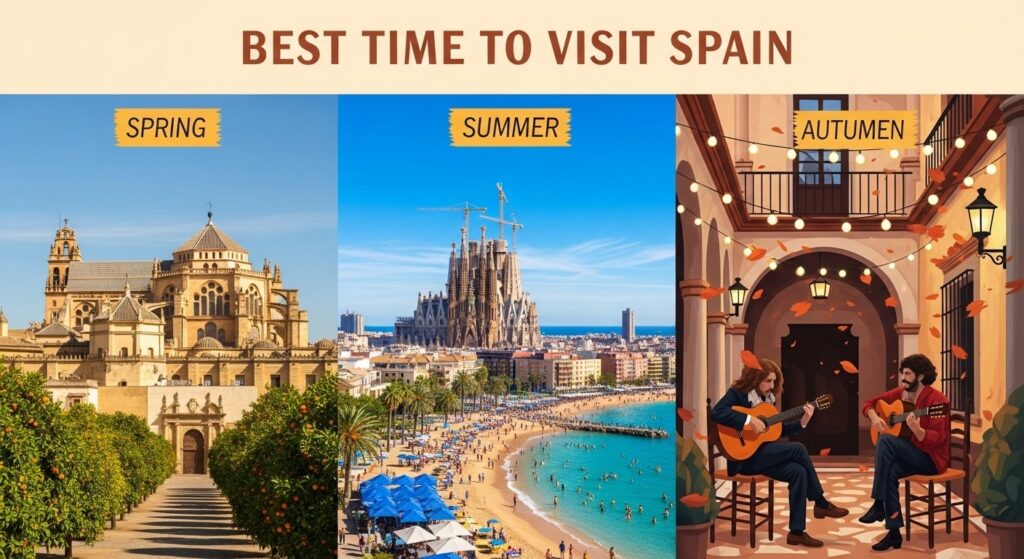
The best time to visit Spain depends on which regions you plan to visit and what kind of experience you are seeking.
Spring from March to May is widely considered the finest time to visit Spain. The weather is warm and pleasant across the entire country, the landscapes are green and blooming and the major festivals of Semana Santa and La Feria de Abril bring Andalusia to life in an unforgettable way. Crowds are present but have not yet reached their summer peak.
Summer from June to August is the peak tourist season. The beaches are spectacular and the atmosphere is incredibly vibrant but temperatures in southern Spain and Madrid can be extreme, often exceeding 40 degrees Celsius. The Spanish islands and coastal areas are at their most beautiful but also their most crowded and expensive during this period.
Autumn from September to October is an excellent time to visit. The summer heat has eased, the crowds have thinned and prices for accommodation and flights drop significantly. The wine harvest season in regions like La Rioja and Penedes adds a wonderful dimension to any autumn visit.
Winter from November to February is the quietest period across most of Spain. Cities like Madrid, Barcelona and Seville are still very enjoyable to visit with mild temperatures especially in the south. The Sierra Nevada offers excellent skiing during the winter months and Christmas celebrations across Spain are warm, festive and deeply cultural.
Is Spain Safe for Tourists
Is Spain safe for tourists is a question commonly asked by first time visitors. The answer is yes, Spain is one of the safest countries in Europe and an extremely welcoming destination for international travelers. It has well developed public services, excellent healthcare infrastructure and a strong tradition of tourism that stretches back many decades.
The most common concern for travelers in Spain is petty theft and pickpocketing, particularly in busy tourist areas of Barcelona and Madrid such as La Rambla, the Gothic Quarter and around major attractions. Always keep your belongings secure, use a crossbody or anti theft bag and be particularly alert in crowded areas and on public transport. Outside of the major tourist hotspots, Spain is remarkably safe and peaceful with an extremely welcoming local population.
Spain Travel Budget
Understanding your Spain travel budget before you go will help you plan a realistic and enjoyable trip. Spain offers excellent value for money compared to many other Western European countries, particularly in smaller cities and regional areas outside of Barcelona and the main tourist hotspots.
- Budget: 50 to 80 dollars per day covering hostels, local bars and restaurants and free or low cost attractions
- Mid Range: 100 to 180 dollars per day covering comfortable hotels, restaurants and guided experiences
- Luxury: 300 dollars and above per day covering boutique hotels, fine dining and private tours and experiences
Regional cities like Seville, Granada and San Sebastian offer outstanding value compared to Barcelona and Madrid. Eating the set lunch menu which most Spanish restaurants offer on weekdays is one of the best ways to enjoy excellent Spanish food at a very reasonable price.
Spain Packing List
A well prepared Spain packing list will ensure you are ready for everything Spain has to offer across its varied regions, climates and experiences.
- Comfortable walking shoes suitable for cobblestone streets in cities like Seville, Granada and Barcelona
- Light and breathable clothing for summer travel especially in Andalusia where temperatures can be extreme
- A smart casual outfit for evenings out as Spanish culture values personal presentation especially in restaurants and bars
- A light jacket or layers for spring and autumn travel and for cooler evenings in northern Spain
- Sunscreen and sunglasses especially for travel to Andalusia, the Costa del Sol and the Spanish islands
- A reusable water bottle as tap water is safe to drink throughout mainland Spain
- A compact anti theft crossbody bag for keeping valuables secure in busy tourist areas
- All necessary travel documents including passport, travel insurance and accommodation confirmations
Final Thoughts
Spain is a country that gets under your skin from the very first moment. Whether you are standing in awe before the Alhambra in Granada, eating the finest Pintxos in San Sebastian, watching Flamenco in Seville or exploring the extraordinary architecture of Gaudi in Barcelona, the things to do in Spain are truly limitless and endlessly captivating.
This Spain travel guide has covered everything you need to plan an unforgettable trip. From the best places to visit in Spain and detailed city guides to the Spain food guide, Spain public holidays, Spain packing list and budget advice, you now have everything required to explore this magnificent country with confidence and excitement.
Whether you are following a comprehensive Spain itinerary of 14 days across multiple regions or focusing your time on a single city or area, Spain will reward you with passion, beauty, flavor and memories that will last a very long time.
Frequently Asked Questions
What are the best things to do in Spain?
The best things to do in Spain include visiting the Alhambra in Granada, exploring Gaudi’s architecture in Barcelona, watching Flamenco in Seville, eating Pintxos in San Sebastian and discovering the world class art museums of Madrid.
What is the best time to visit Spain?
The best time to visit Spain is from March to May and September to October for pleasant weather, vibrant festivals and more manageable crowds across the country.
What are the best cities in Spain to visit?
The best cities in Spain to visit include Barcelona, Madrid, Seville, Granada and San Sebastian, each offering a completely unique culture, cuisine and set of experiences.
Is Spain safe for tourists?
Yes. Is Spain safe for tourists is a common concern but Spain is one of the safest countries in Europe. Basic precautions such as keeping belongings secure in busy tourist areas will ensure a trouble free trip.
What is the Spain travel budget?
Your Spain travel budget can range from 50 dollars per day for budget travelers to 300 dollars or more per day for luxury travelers depending on your travel style and chosen destinations.
What should I pack for Spain?
A good Spain packing list includes comfortable walking shoes, light breathable clothing, a smart casual outfit for evenings, sunscreen, an anti theft bag and all necessary travel documents.
How many days do I need for Spain?
A Spain itinerary of 14 days is ideal for experiencing the highlights of the country across multiple regions including Barcelona, Madrid, Seville, Granada and San Sebastian.
What is the Spain food guide essential reading for?
The Spain food guide is essential for understanding the central role of food in Spanish culture and for knowing what to eat and where to eat it across the different regions of the country.
What are the key Spanish public holidays to know about?
The most important Spanish public holidays for travelers to be aware of include Semana Santa, Epiphany on January 6, National Day on October 12 and the regional festivals that vary across different autonomous communities throughout the year.
What is the Andalusia travel guide most useful for?
The Andalusia travel guide is most useful for understanding the cultural heartland of Spain, planning visits to Seville, Granada and Cordoba and discovering the white villages, coastlines and extraordinary Moorish heritage of southern Spain.