
Bangkok has dozens of night markets, but they are not all the same. Some are…

Gilgit Mountain Adventures
Discover Gilgit’s breathtaking peaks, scenic valleys, and
hidden gems. Experience unforgettable adventures in the heart of the Karakoram.
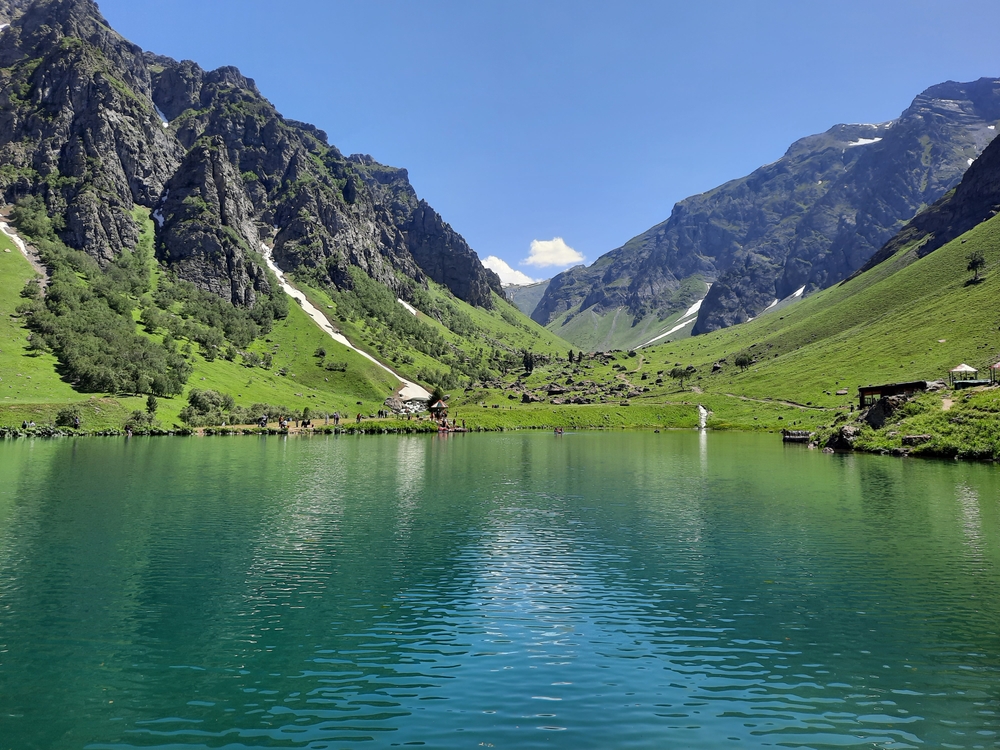
Discover Gilgit & Karakoram
Explore Gilgit’s majestic mountains, vibrant culture, and stunning
landscapes. Your gateway to unforgettable journeys through the Karakoram.
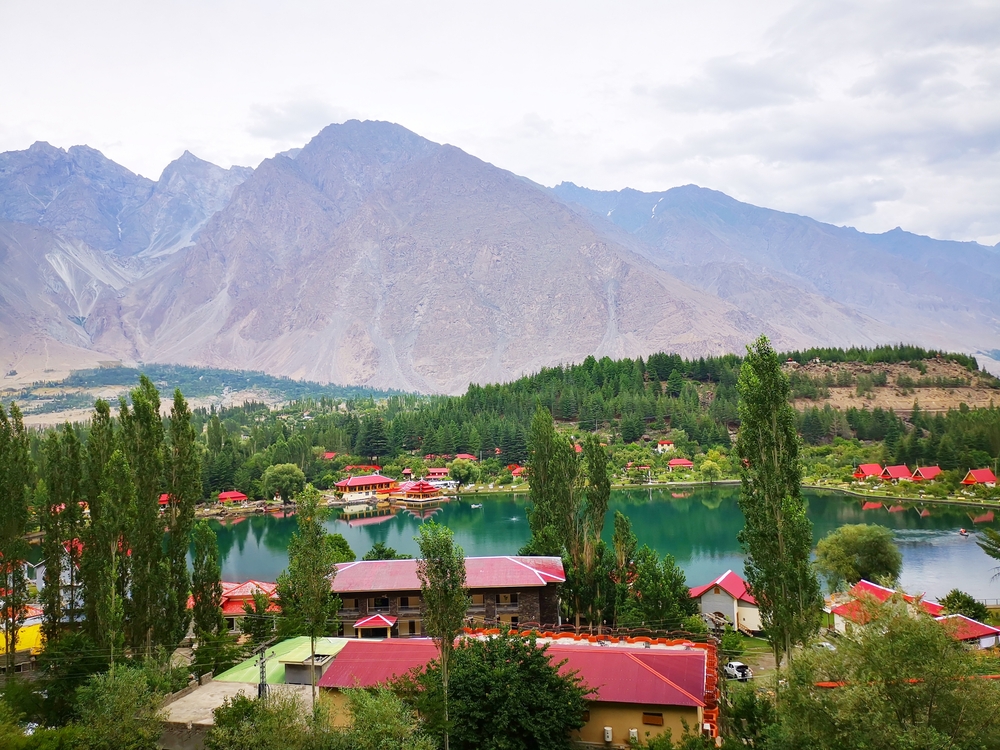
Explore Gilgit’s Hidden Gems
Experience Gilgit through its beautiful valleys, rich culture, and thrilling adventures.
Discover the landscapes and stories of northern Pakistan.
POPULAR TOURIST PLACES IN Gilgit
- Naltar Valley
- Kargah Buddha
- Bagrot Valley
- Haramosh Valley
- Danyor
- Kargah Valley
- Gilgit Suspension Bridge
- Jutial Nala
- Sher Qila
- Nomal
Why visit Gilgit
Most travelers treat Gilgit as a stopover — the last big town before Hunza, Nagar or Skardu — and rush through. That undersells it. This is where the Gilgit and Hunza rivers meet, where a 7th-century rock-carved Buddha sits quietly above the Kargah Valley, and where the NLI Market fills with dried apricots, gemstones and local handicrafts. Push a little further out of town and you reach Naltar’s colored lakes and ski slopes, or the glacier trekking routes into Bagrot Valley. Give it a day or two before heading north and it holds its own.

Six essential experiences
Naltar Valley
Pine forest, a string of colorful lakes and Pakistan's main ski resort, about two hours from Gilgit — a ski trip in winter, a lake-hopping day out the rest of the year.
Kargah Buddha
A 7th-century Buddha relief carved directly into a cliff face, a short drive from town — one of the clearest reminders of the region's Buddhist past.
Bagrot Valley
A remote glacier valley south of town with Rakaposhi and Diran visible from an entirely different angle than you get in Hunza or Nagar.
Gilgit Suspension Bridge
One of the region's notable hanging bridges over the Gilgit River — a quick adventure stop and a good photo spot on the way through town.
Jutial Nala
A green, waterfall-fed valley right on the edge of Gilgit town — an easy half-day hike without needing to leave the city behind for long.
NLI Market
Gilgit's main bazaar, good for dried fruit, gemstones and local handicrafts — worth an hour of wandering before or after a trip north.
Practical details
Plan your visit
Best time to visit
May to September suits Bagrot Valley, Kargah and most outdoor sights. December to February brings skiing at Naltar. The town itself is accessible year-round.
Getting around
Fly from Islamabad (about an hour, weather permitting) or drive the Karakoram Highway, roughly 18 to 20 hours from Islamabad. Gilgit town is walkable; a hired car or jeep is useful for Naltar, Bagrot and Kargah.
Where to stay
Gilgit has the widest range of budget-to-midrange hotels in the region, and is the natural base before continuing on to Hunza, Nagar, Skardu or Ghizer.
Continue exploring
Bangkok’s Chinatown is loud, busy, colorful, and full of amazing food. Its main street, Yaowarat…
September 30, 2026
Asia
Chao Phraya River Bangkok: A Simple Guide to Boats, Stops & Things to Do
The Chao Phraya River is the heart of Bangkok. It winds through the middle of…
Good to know
Frequently asked questions
Being the region’s capital and main gateway, plus its own sights — the Kargah Buddha, Naltar’s lakes and ski slopes, and Bagrot Valley.
Fly from Islamabad, about an hour when weather allows, or drive the Karakoram Highway, roughly 18 to 20 hours.
One to two days covers the town’s own sights — Kargah Buddha, NLI Market, Jutial Nala — before continuing north to Hunza, Nagar or Skardu.
May to September for valley sights and hiking; December to February for skiing at Naltar.
Most travelers pass through as a gateway, but it’s worth a day or two on its own for the Kargah Buddha, Naltar and Bagrot Valley.