
Bangkok has dozens of night markets, but they are not all the same. Some are…

Hunza Heart of the Karakoram
Experience dramatic peaks, historic forts, colorful orchards,
and unforgettable adventures along the legendary Karakoram Highway.
and unforgettable adventures along the legendary Karakoram Highway.
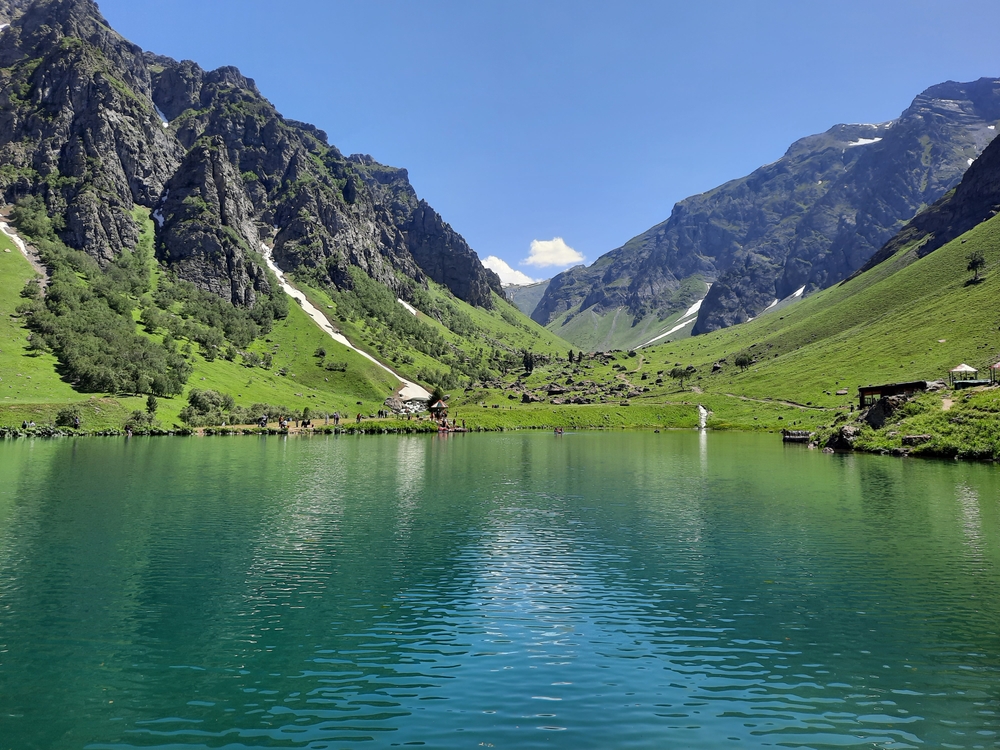
Discover the Magic of Hunza
Explore Hunza’s majestic mountains, turquoise lakes, ancient forts, and
charming villages in one of Pakistan’s most breathtaking valleys.
charming villages in one of Pakistan’s most breathtaking valleys.
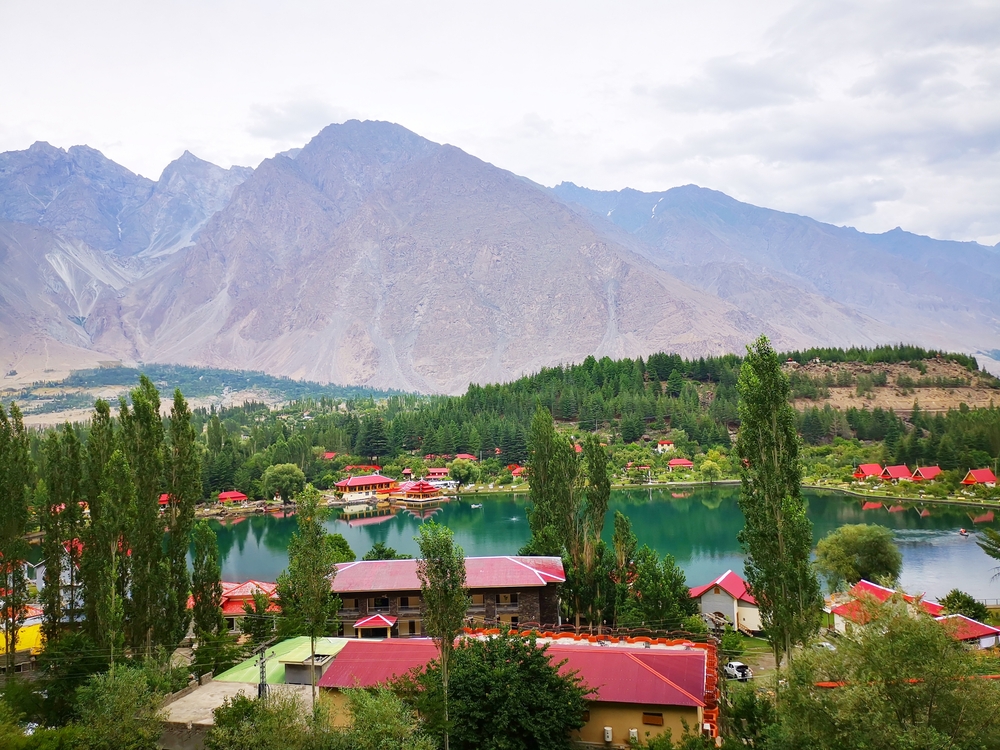
Explore Hunza’s Hidden Gems
Discover Attabad Lake, Passu Cones, ancient forts, scenic viewpoints,
and rich local culture in the spectacular Hunza Valley.
and rich local culture in the spectacular Hunza Valley.
Popular Tourist Places IN Hunza
- Baltit Fort
- Altit Fort
- Attabad Lake
- Passu Cones
- Hussaini Hanging Bridge
- Eagle's Nest, Duikar
- Rakaposhi View Point
- Ganish Village
- Khunjerab Pass
- ●Karimabad Bazaar
Why visit Hunza
Hunza is where the Karakoram shows off. Framed by Rakaposhi, Ultar Sar and the jagged Passu Cones, this stretch of the ancient Silk Road pairs some of the most dramatic scenery in Pakistan with a slower pace of life — centuries-old forts perched above the valley, apricot orchards that bloom pink every April, and stone-and-poplar villages that have barely changed in generations. Add the turquoise waters of Attabad Lake and the Karakoram Highway threading through it all, and it’s easy to see why Hunza tops most Gilgit-Baltistan itineraries.

Six essential experiences
Baltit Fort
A 700-year-old fort towering over Karimabad, once home to the Mirs of Hunza. Climb to the rooftop for the valley's best panoramic view, then walk down through the old town below it.
Attabad Lake
A striking turquoise lake formed by a 2010 landslide that dammed the Hunza River. Rent a boat, eat at a floating restaurant, or just take in the color from the roadside viewpoints along the Karakoram Highway.
Passu Cones & Hussaini Bridge
The jagged “cathedral” peaks above Passu are one of the most photographed views in Pakistan — best paired with a (slightly nerve-wracking) walk across the nearby Hussaini hanging bridge.
Eagle's Nest, Duikar
The valley's best sunrise and sunset viewpoint, with Rakaposhi, Diran and Ultar Sar all visible at once. Go up in the late afternoon and stay for the light.
Altit Fort & Ganish Village
Older than Baltit by a few centuries, Altit Fort's watchtower looks straight down a cliff to the river. Pair it with a walk through neighboring Ganish, one of the oldest settlements in the valley.
Khunjerab Pass (day trip)
The world's highest paved international border crossing, at 4,693m, sitting inside Khunjerab National Park. A long but spectacular day trip from Hunza toward the Chinese border.
Practical details
Plan your visit
Best time to visit
April brings cherry and apricot blossoms across the valley; October brings golden autumn foliage — both are peak season. June to August is mild and reliable for reaching Khunjerab Pass. Winters (December–February) are cold and quiet, with occasional road disruptions from snow.
Getting around
The Karakoram Highway runs the length of the valley, linking Karimabad, Altit, Ganish, Attabad and Passu. Most visitors arrive by hired car or shared van from Gilgit (about 2–2.5 hours away); a few viewpoints, like Eagle’s Nest, need a short jeep ride up a mountain track.
Where to stay
Karimabad is the main hub, with the widest choice of guesthouses and hotel balconies facing Rakaposhi. Altit and Ganish offer quieter heritage-village stays, while Passu and Gulmit put you closer to the Cones and Attabad Lake.
Continue Exploring
More of Europe →
Bangkok’s Chinatown is loud, busy, colorful, and full of amazing food. Its main street, Yaowarat…
September 30, 2026
Asia
Chao Phraya River Bangkok: A Simple Guide to Boats, Stops & Things to Do
The Chao Phraya River is the heart of Bangkok. It winds through the middle of…
Good to know
Frequently asked questions
Its Karakoram scenery, Baltit and Altit Forts, the turquoise waters of Attabad Lake, and two dramatic seasons — pink cherry and apricot blossoms in spring, gold foliage in autumn.
Fly into Gilgit or Islamabad, then drive north on the Karakoram Highway — about 2 to 2.5 hours from Gilgit. The full overland route from Islamabad takes around 20 to 22 hours, usually split over two days.
Three to four days covers Karimabad, Baltit and Altit Forts, Attabad Lake and Passu. Add a day or two if you want to include Khunjerab Pass.
April for cherry and apricot blossoms, October for autumn color. June to August is mild and best for reaching the higher passes.
Yes — it’s widely considered one of the safest and most welcoming regions of Pakistan for both domestic and international travelers, though normal mountain-travel precautions (weather, altitude, road conditions) apply.