
Bangkok has dozens of night markets, but they are not all the same. Some are…

Discover the Magic of Skardu
Explore Skardu’s majestic mountains, turquoise lakes, ancient forts, and
breathtaking valleys in one of Pakistan’s most spectacular destinations.
breathtaking valleys in one of Pakistan’s most spectacular destinations.
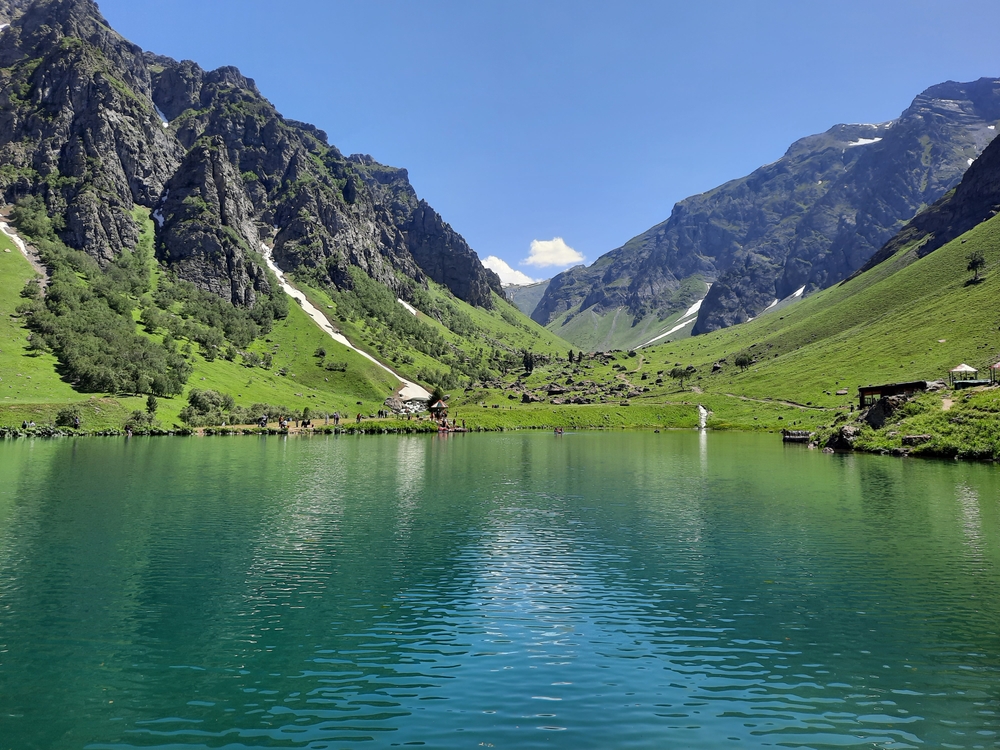
Skardu Gateway to Adventure
Experience Skardu’s dramatic landscapes, serene lakes, historic sites, and
thrilling adventures surrounded by the mighty Karakoram mountains.
thrilling adventures surrounded by the mighty Karakoram mountains.
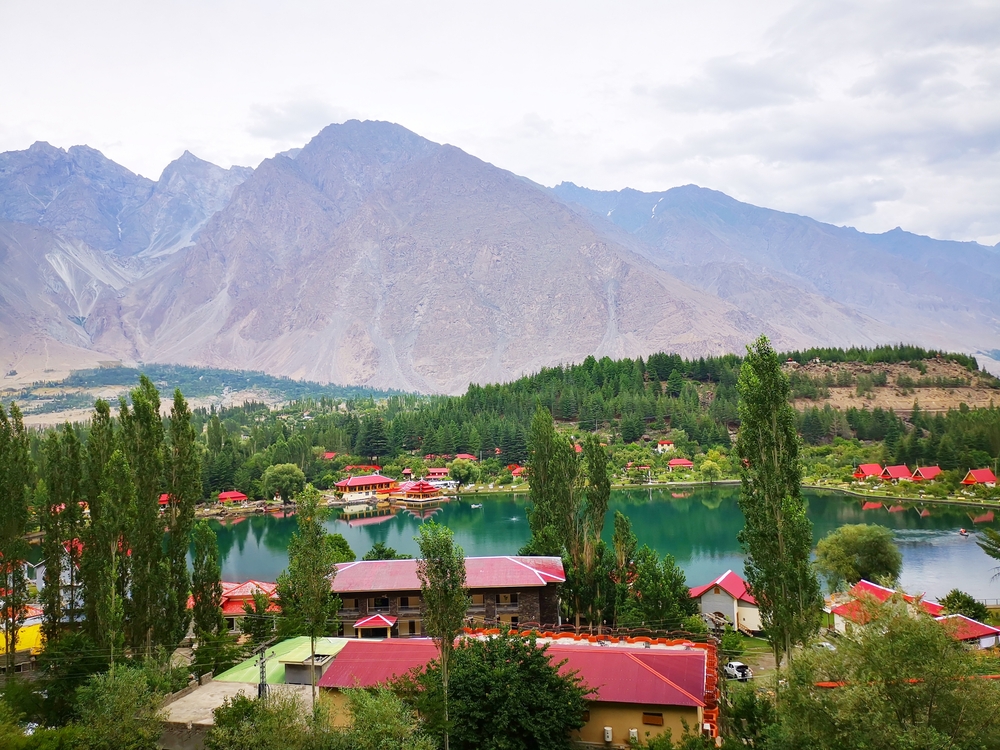
Explore Skardu’s Hidden Gems
Discover Skardu’s stunning valleys, crystal-clear lakes, cultural treasures,
and mountain adventures for an unforgettable journey through Gilgit-Baltistan.
and mountain adventures for an unforgettable journey through Gilgit-Baltistan.
POPULAR TOURIST PLACES IN Skardu
- Deosai National Park
- Shangrila Resort & Lower Kachura Lake
- Upper Kachura Lake
- Shigar Fort
- Skardu Fort (Kharpocho)
- Satpara Lake
- Katpana Cold Desert (Sarfaranga)
- Manthokha Waterfall
- Khaplu Palace
- Basho Valley
Why visit Skardu
Skardu is the last major town before the world’s 8,000-metre giants, and the usual starting point for anyone heading toward K2 or the wider Karakoram. But you don’t need to be a mountaineer to see why it draws travelers: turquoise lakes sit minutes from town, a genuine cold desert rises out of the Indus valley floor, and the Deosai plains open up into one of the highest plateaus on earth once the snow clears each summer. It’s a rougher, bigger-scale kind of scenery than Hunza or Nagar — built for those chasing the Karakoram’s biggest views.

Six essential experiences
Deosai National Park
A vast high-altitude plateau at over 4,000 meters, open only in summer, known for wildflower meadows, Himalayan brown bears and some of the widest open skies in the Karakoram.
Shangrila Resort & Lower Kachura Lake
Skardu's most photographed lake, with a lakeside resort built around the water. Come for the reflection shots at sunrise before the day-trip crowds arrive.
Shigar Fort
A restored 17th-century fort turned heritage hotel and museum, an easy half-day trip from Skardu town and a window into the old Amacha dynasty.
Skardu Fort (Kharpocho)
A short, steep climb above town rewards you with a sweeping view over the Indus River, Skardu's rooftops and the mountains that ring the valley.
Satpara Lake
A glacial lake a short drive from town, framed by peaks on all sides — easy enough for an afternoon boat ride without committing to a full day trip.
Katpana Cold Desert (Sarfaranga)
Genuine sand dunes at nearly 2,300 meters elevation, with snow-capped peaks visible in the same frame — one of the more unusual landscapes in Gilgit-Baltistan.
Practical details
Plan your visit
Best time to visit
June to September is essential for Deosai, which is only accessible once the winter snow clears. May to October covers the rest of Skardu comfortably, with June to August the main window for Karakoram trekking further afield.
Getting around
Fly direct from Islamabad (around an hour, weather permitting) or drive the Karakoram Highway via Gilgit, roughly 2 to 2.5 hours further on. Sights are spread out, so a hired jeep or car is the easiest way to cover Shigar, Deosai and the lakes around town.
Where to stay
Skardu town has the widest range of hotels and is the most convenient base. Shangrila and the Kachura lakes offer resort-style stays right on the water, while Khaplu Palace is a quieter, heritage-hotel option a little further out.
Continue exploring
Bangkok’s Chinatown is loud, busy, colorful, and full of amazing food. Its main street, Yaowarat…
September 30, 2026
Asia
Chao Phraya River Bangkok: A Simple Guide to Boats, Stops & Things to Do
The Chao Phraya River is the heart of Bangkok. It winds through the middle of…
Good to know
Frequently asked questions
Being the gateway to K2 and the Karakoram’s highest peaks, along with Deosai National Park, its turquoise lakes and the Katpana cold desert.
Fly direct from Islamabad, around an hour when weather allows, or drive the Karakoram Highway via Gilgit, roughly 2 to 2.5 hours further on.
Four to five days covers the main sights and Deosai comfortably. Add more if you’re heading further into the Karakoram toward K2 base camp.
June to September for Deosai, which is only open in summer. May to October works well for the rest of the valley.
No permit is needed for Skardu town or the main lakes. Entering Deosai National Park involves a park fee, and trekking toward K2 base camp requires permits arranged locally or through a trekking operator.