
Japan Travel Guide Best Places to Visit & Top Cities
From neon-lit Tokyo streets and ancient Kyoto temples to snow-capped peaks and bullet trains, this Japan travel guide covers the best places to visit, famous landmarks, and cultural experiences worth building into your itinerary.
POPULAR TOURIST PLACES IN JAPAN
- Tokyo
- Kyoto
- Osaka
- Hokkaido
- Hiroshima
- Nara
- Mount Fuji / Hakone
- Okinawa
- Kanazawa
- Nikko
WHY VISIT JAPAN
Japan runs on contrast, and that’s what makes it work as a single trip — and why it tends to top most travelers’ Japan travel bucket list. Tokyo is dense, fast, and endlessly layered — Shibuya’s crossing and Akihabara’s arcades sit a few train stops from quiet shrine gardens. Kyoto slows things down: over a thousand temples and shrines, geisha districts in Gion, and bamboo groves that look the same as they did centuries ago, making it the country’s richest concentration of famous landmarks and Japan cultural experiences. Osaka brings the food and the energy back up, while Hokkaido and the Japanese Alps swap cities for ski slopes, hot springs, and open countryside. The bullet train (Shinkansen) ties all of it together — Tokyo to Kyoto is under three hours — which is why Japan suits travelers who want both world-class cities and genuinely old culture in one trip, without losing days to transit.
SIX ESSENTIAL EXPERIENCES
Tokyo Neighborhoods
Shibuya, Shinjuku, and Asakusa each feel like a different city — modern nightlife, skyscraper views, and Senso-ji's old-town streets all within a short train ride, and easily one of Japan's most-visited tourist attractions on its own.
Kyoto Temples & Shrines
Fushimi Inari's thousand torii gates, Kinkaku-ji's Golden Pavilion, and the Arashiyama bamboo grove make Kyoto Japan's essential stop for cultural experiences and famous landmarks alike.
Osaka Street Food
Dotonbori's street food strip — takoyaki, okonomiyaki, and kushikatsu — is Japan's most concentrated, casual food scene.
Mount Fuji & Hakone
A day or overnight trip from Tokyo for hot spring ryokans, Lake Ashi views, and — on a clear day — Fuji itself, one of the most recognizable sightseeing spots in the country.
Hiroshima & Miyajima
The Peace Memorial Park and nearby Miyajima Island's floating torii gate combine modern history with one of Japan's must-visit places for first-time and repeat travelers alike.
Bullet Train (Shinkansen) Travel
Fast, punctual, and scenic — riding the Shinkansen between cities is a highlight in its own right, not just a way to get around, and a detail worth knowing for anyone building Japan travel tips for beginners
Practical details
Plan your visit
Best time to visit Japan
Late March to April (cherry blossoms) and October to November (autumn colors) are Japan’s most popular and most beautiful windows. Summer (June–August) is hot, humid, and includes a rainy season in June; winter is cold but ideal for Hokkaido skiing and quieter city sightseeing.
Getting around
The Shinkansen bullet train connects major cities in hours, and a Japan Rail Pass can be worth it for multi-city trips. Within cities, subway and rail networks are extensive and reliable — an IC card (Suica or Pasmo) covers trains, buses, and even convenience stores.
Where to stay
Tokyo and Osaka offer everything from capsule hotels to five-star towers. Kyoto is worth booking a traditional ryokan for at least one night; Hakone’s ryokans typically include an onsen bath. Book well ahead during cherry blossom and autumn seasons, when prices and demand peak.
Continue exploring
From the journal
Latest Japan guides
Deeper dives into planning your trip — attractions, cities and first-time essentials.
Best Things to Do in Japan: Top Attractions, Places to Visit & Travel Tips
A full regional breakdown of Japan — Tokyo, Kyoto, Osaka and beyond, plus food, culture, nature and seasonal highlights.
Read more →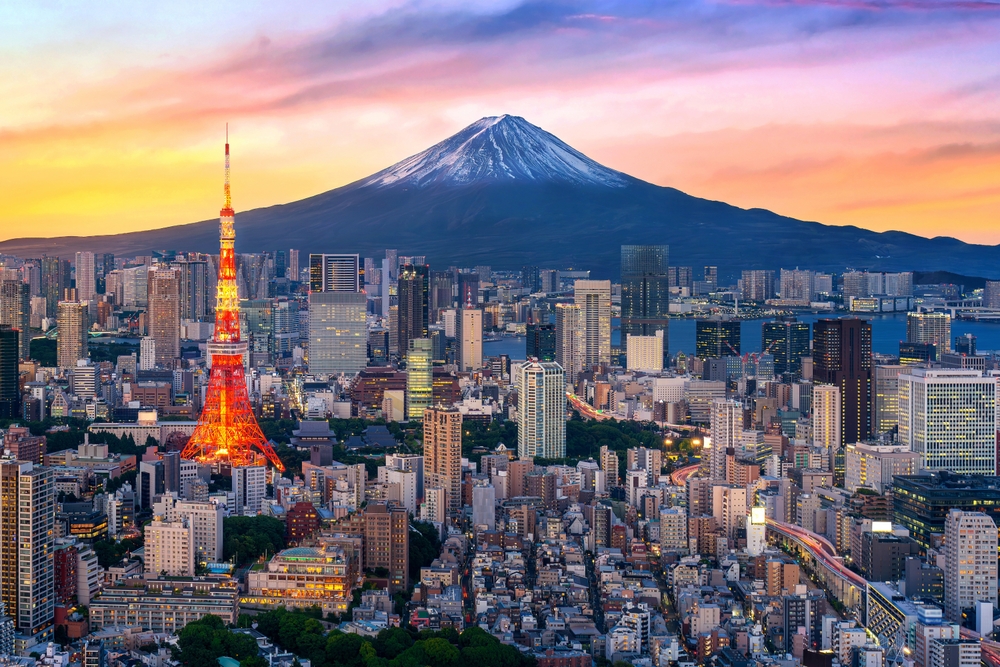
Things to Do in Japan: 25 Must-Visit Experiences for First-Time Travelers
A beginner-friendly countdown of 25 experiences, from cherry blossoms and sumo to ryokans and snow monkeys.
Read more →Frequently asked questions
Japan is best known for its blend of ancient culture and modern technology — historic temples and shrines alongside cutting-edge cities, plus sushi, ramen, cherry blossoms, and the Shinkansen bullet train.
Most international visitors fly into Narita or Haneda airport in Tokyo, or Kansai International Airport for direct access to Osaka and Kyoto.
Ten to fourteen days lets you comfortably cover Tokyo, Kyoto, and Osaka with day trips. A week works for Tokyo and Kyoto alone; three weeks or more allows Hokkaido, Hiroshima, or Okinawa as well.
Late March–April for cherry blossoms or October–November for autumn foliage — both offer mild weather and Japan’s most iconic scenery.
Tokyo, Kyoto, and Mount Fuji get heavily visited, especially during cherry blossom season. Hokkaido, Kanazawa, and Nikko see far fewer crowds and reward travelers looking to go beyond the standard route.