
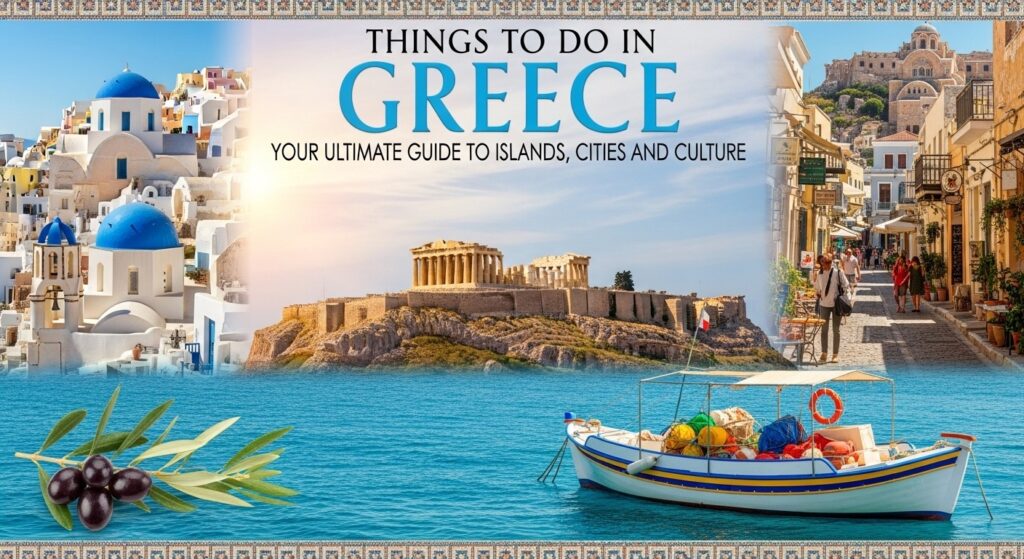
Why Greece Should Be Your Next Destination
Few countries in the world can match the extraordinary combination of ancient history, stunning island landscapes, crystal clear Mediterranean water and warm genuine hospitality that Greece offers every visitor. The things to do in Greece span thousands of years of human civilization, from the marble temples of Athens to the volcanic beaches of Santorini and the labyrinthine old towns of Rhodes and Crete.
This Greece travel guide is written for every type of traveler. Whether you are a history enthusiast, a beach lover, a food explorer, a couple seeking romance or a family looking for an unforgettable holiday destination, Greece delivers on every level. It is a country that has inspired artists, philosophers, poets and travelers for millennia and continues to do so today.
Greece is also a remarkably diverse destination. The mainland offers magnificent ancient ruins, dramatic mountain landscapes and vibrant modern cities. The islands, of which there are over 6,000, each have their own distinct character, architecture and atmosphere. Understanding the best places to visit in Greece is the foundation of planning a truly memorable trip.
Discovering the Best of Greece
The best places to visit in Greece fall into two broad categories: the magnificent mainland cities and the extraordinary Greek islands. Both deserve a place in any well planned Greece itinerary of 10 days and together they create one of the most complete and rewarding travel experiences anywhere in the world.
The best Greek islands to visit include Santorini, Mykonos, Crete, Rhodes, Corfu, Zakynthos and Paros, each offering a completely different character and atmosphere. On the mainland, Athens stands alone as one of the most historically significant cities on earth while Thessaloniki, Delphi and Meteora offer equally compelling experiences for those who venture beyond the capital.
Athens Travel Guide
Athens is one of the oldest cities in the world and the cradle of Western civilization. It is a city where ancient monuments stand side by side with vibrant modern neighborhoods, excellent restaurants and a thriving contemporary culture. This Athens travel guide will help you uncover everything that makes this city so extraordinary and irreplaceable.
Exploring Athens
Things to do in Athens include ascending the Sacred Rock of the Acropolis to stand before the magnificent Parthenon, exploring the Ancient Agora where Socrates once walked and debated, visiting the extraordinary National Archaeological Museum which houses the finest collection of ancient Greek artifacts in the world, wandering through the enchanting Plaka neighborhood with its neoclassical architecture and vibrant street life, discovering the Temple of Olympian Zeus, exploring the vibrant Monastiraki flea market, watching the sunset from Filopappou Hill and experiencing the thriving food and cocktail scene in the Psirri and Kolonaki neighborhoods.
landmark Highlights of Athens
- Acropolis and Parthenon: The most iconic ancient monument in the world, perched dramatically above the city of Athens
- National Archaeological Museum: The greatest collection of ancient Greek art and artifacts anywhere on earth
- Ancient Agora: The ancient marketplace and civic center of Athens where democracy was born
- Temple of Olympian Zeus: A breathtaking ruined temple that took over 600 years to complete
- Plaka: The oldest and most atmospheric neighborhood in Athens, nestled directly beneath the Acropolis
- Monastiraki: A lively neighborhood famous for its flea market, street food and stunning views of the Acropolis
- Acropolis Museum: A world class modern museum built directly above ancient ruins, housing treasures from the Acropolis
Getting the Most Out of Athens
Book Acropolis tickets in advance especially during summer as queues are very long. Visit early in the morning before the heat of the day becomes intense. The Athens Riviera stretching south of the city offers excellent beaches that are easily accessible by tram. Explore the Exarchia and Koukaki neighborhoods for a more authentic and local side of Athens away from the main tourist areas.
Santorini Travel Guide
Santorini is perhaps the most recognizable and photographed island in the entire world. Formed by one of the largest volcanic eruptions in human history, it is a place of extraordinary drama and beauty where whitewashed villages cling to the edges of dramatic caldera cliffs above a deep blue volcanic sea. This Santorini travel guide covers everything you need to experience this iconic island to its fullest.
Experiencing Santorini
Things to do in Santorini include watching the world famous sunset from the village of Oia, exploring the charming capital of Fira perched on the caldera edge, taking a boat tour around the volcanic caldera to the hot springs and active volcanic islands, visiting the extraordinary ancient ruins of Akrotiri which were buried under volcanic ash over 3,500 years ago, relaxing on the unique red, black and white volcanic beaches of Kamari, Perissa and Red Beach, wine tasting at local wineries producing the distinctive Assyrtiko white wine and hiking the spectacular caldera path between Fira and Oia.
Must Visit Spots in Santorini
- Oia: The most beautiful and iconic village in Santorini, famous worldwide for its sunset views and blue domed churches
- Fira: The vibrant capital of Santorini perched on the caldera rim with excellent restaurants, shops and views
- Akrotiri: A remarkably preserved ancient Minoan city buried under volcanic ash, often called the Pompeii of the Aegean
- Red Beach: A dramatic and unique beach surrounded by towering red volcanic cliffs
- Ammoudi Bay: A tiny fishing harbor below Oia famous for its fresh seafood restaurants built directly into the cliffs
- Pyrgos: The highest and least touristy village on the island offering a more authentic Santorinian experience
Santorini Travel Advice
Santorini is one of the most expensive destinations in Greece so plan your Greece travel budget accordingly. Book accommodation many months in advance especially for the sought after caldera view properties. Rent an ATV or quad bike to explore the island independently as public transport is limited. Avoid visiting in July and August if you prefer a quieter and more peaceful experience as the island becomes extremely crowded during peak summer.
Mykonos Travel Guide
Mykonos is the most glamorous and cosmopolitan island in Greece. It is a place of extraordinary contrasts where ancient windmills overlook superstar beach clubs, narrow whitewashed lanes lead to world class restaurants and the energy of the island shifts from relaxed daytime exploration to legendary nightlife after sunset. This Mykonos travel guide will help you experience everything this iconic island has to offer.
Making the Most of Mykonos
Things to do in Mykonos include exploring the enchanting Mykonos Town also known as Chora with its iconic windmills, narrow whitewashed streets and the famous Petros the Pelican, relaxing at world famous beach clubs on Paradise and Super Paradise beaches, visiting the remarkably preserved ancient island of Delos which is one of the most significant archaeological sites in all of Greece, discovering the charming waterfront area of Little Venice where the colorful buildings hang directly over the sea, exploring the authentic fishing village of Ano Mera and experiencing the legendary Mykonos nightlife scene that has made the island famous around the world.
Highlights of Mykonos
- Mykonos Town: One of the most beautiful and photogenic towns in the Greek islands with iconic windmills and whitewashed architecture
- Little Venice: A magical waterfront neighborhood where colorful buildings are built directly on the water’s edge
- Delos: A UNESCO World Heritage Site and one of the most important ancient sanctuaries in the entire Greek world
- Paradise Beach: The most famous and lively beach on Mykonos, known for its beach clubs and vibrant atmosphere
- Windmills of Kato Mili: The most iconic landmark of Mykonos offering stunning views over the harbor and town
- Ano Mera: The only other proper village on Mykonos, offering a quieter and more traditional Greek island experience
Crete Travel Guide
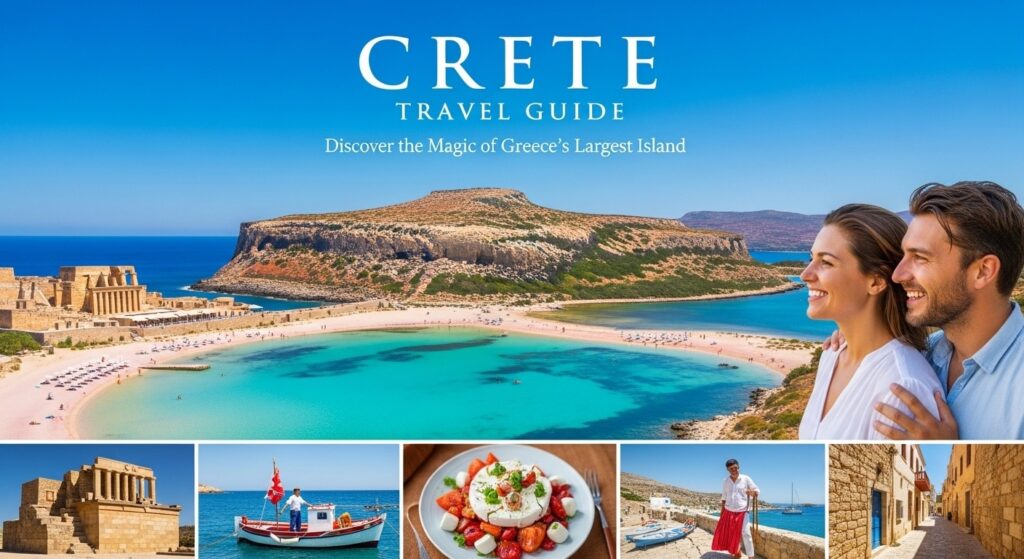
Crete is the largest and most diverse island in Greece and a destination that genuinely deserves more time than most travelers give it. It is an island of remarkable contrasts offering ancient Minoan palaces, dramatic gorges, mountain villages, world class beaches and one of the most distinctive and celebrated food cultures in the entire Mediterranean. This Crete travel guide will introduce you to the extraordinary depth and variety that this magnificent island offers.
Uncovering Crete
Things to do in Crete include exploring the magnificent Palace of Knossos which is the largest Bronze Age archaeological site in Greece and the center of the ancient Minoan civilization, hiking the spectacular Samaria Gorge which at 16 kilometers is one of the longest gorges in Europe, relaxing on the stunning beaches of Elafonisi, Balos and Vai, exploring the charming Venetian harbor of Chania with its lighthouse and atmospheric old town, visiting the excellent Archaeological Museum of Heraklion, discovering the mountain village of Archanes and enjoying the extraordinary Cretan cuisine in local tavernas across the island.
Crete’s Greatest Attractions
- Palace of Knossos: The most important prehistoric site in Greece and the legendary home of the ancient Minoan civilization
- Samaria Gorge: One of the most spectacular hiking experiences in Europe, cutting through the White Mountains of western Crete
- Elafonisi Beach: A breathtaking pink sand beach in the far southwest of Crete, one of the most beautiful in the Mediterranean
- Balos Lagoon: A stunning turquoise lagoon accessible by boat or a steep hiking trail in northwestern Crete
- Chania Old Town: A beautifully preserved Venetian harbor town with a lighthouse, mosque and atmospheric winding streets
- Heraklion Archaeological Museum: Home to the world’s greatest collection of Minoan art and artifacts
Rhodes Travel Guide
Rhodes is one of the most historically layered and visually impressive islands in all of Greece. As the largest island in the Dodecanese, it offers an extraordinary combination of a perfectly preserved medieval old city, stunning beaches, ancient ruins and a vibrant modern resort culture that attracts visitors from across the world.
Discovering Rhodes
Things to do in Rhodes include exploring the magnificent UNESCO listed Medieval Old Town of Rhodes which is the largest inhabited medieval town in Europe, visiting the impressive Palace of the Grand Master of the Knights, walking along the ancient Street of the Knights, relaxing on the beautiful beaches of Lindos, Faliraki and Anthony Quinn Bay, visiting the breathtaking ancient Acropolis of Lindos perched high above the sea, exploring the charming village of Lindos with its whitewashed cubic houses and Byzantine church, taking a day trip to the Valley of the Butterflies nature reserve and experiencing the excellent local food and nightlife in Rhodes Town.
Unmissable Sights in Rhodes
- Medieval Old Town: The most complete medieval town in Europe, a UNESCO World Heritage Site surrounded by massive ancient walls
- Palace of the Grand Master: A magnificent fortress palace that once served as the headquarters of the Knights of Saint John
- Acropolis of Lindos: A stunning ancient acropolis perched dramatically above the village and bay of Lindos
- Lindos Village: One of the most beautiful and picturesque villages in the Greek islands with dazzling whitewashed architecture
- Street of the Knights: One of the best preserved medieval streets in the entire world lined with the inns of the Knights
- Anthony Quinn Bay: A stunningly beautiful cove named after the famous actor who fell in love with Rhodes while filming
Greek Island Hopping
One of the greatest travel experiences Greece has to offer is island hopping between its extraordinary variety of islands. The best Greek islands to visit on a hopping itinerary depend on the atmosphere and experience you are seeking.
For romance and dramatic scenery, Santorini and Milos are outstanding choices. For nightlife and glamour, Mykonos is unrivaled. For history and authentic culture, Rhodes and Crete offer extraordinary depth. For unspoiled natural beauty and a quieter pace, Naxos, Paros and Zakynthos are wonderful alternatives to the more famous islands.
Greek ferries connect all the major islands and are the most authentic and enjoyable way to travel between them. Book ferry tickets in advance during peak summer season as popular routes sell out very quickly.
A Guide to Greek Food
The greek food guide is an essential companion to any trip to Greece. Greek cuisine is one of the oldest and most celebrated in the entire world, built on the foundations of the Mediterranean diet with fresh vegetables, olive oil, legumes, seafood and grilled meats at its heart.
Essential Greek Dishes to Try
- Moussaka: The most iconic Greek dish, a rich layered bake of minced meat, aubergine and creamy bechamel sauce
- Souvlaki: Grilled skewers of meat served in pitta bread with tomatoes, onions and tzatziki sauce
- Spanakopita: A flaky filo pastry pie filled with spinach and feta cheese, found in every bakery across Greece
- Fresh Seafood: Grilled octopus, sea bream, sea bass and calamari served at tavernas directly on the water
- Greek Salad: A simple but extraordinary combination of tomatoes, cucumber, olives, onion and thick slab of feta cheese
- Tzatziki: A cooling dip made from strained yogurt, cucumber, garlic and olive oil, served with almost everything
- Baklava: A rich and sweet pastry made from layers of filo, chopped nuts and honey syrup
- Loukoumades: Greek honey doughnuts, light and crispy and drizzled with honey and cinnamon
Where to Eat in Greece
Avoid restaurants with photographs on the menu in major tourist areas as these rarely represent the best of Greek cuisine. Seek out family run tavernas away from the main squares and tourist thoroughfares. In Athens the neighborhoods of Psirri, Koukaki and Monastiraki offer excellent authentic dining options. On the islands always ask locals where they eat as the best tavernas are often hidden away from the main tourist streets.
Greece for Families
Family vacation in Greece is one of the most rewarding choices any family can make. Greece is extraordinarily well suited to family travel with its safe environment, warm and welcoming local culture, excellent beaches and a wealth of fascinating historical sites that bring school history lessons dramatically to life.
Crete is widely considered the finest island for families thanks to its variety of beaches, excellent water parks, fascinating archaeological sites and a broad range of family friendly accommodation options. Rhodes is another outstanding family destination with its calm and shallow beaches, impressive medieval history and excellent resort infrastructure. Athens with its world class museums and accessible ancient monuments offers an educational and exciting experience for children of all ages.
The calm and shallow waters of many Greek island beaches make them ideal for young children. Greek families are famously welcoming toward children and you will find that local restaurants and tavernas are extremely accommodating to families traveling with young ones.
Planning Your Greece Itinerary
Greece Itinerary of 10 Days
A Greece itinerary of 10 days is the perfect amount of time to experience both the magnificent mainland and the most beautiful of the Greek islands without feeling rushed.
- Day 1 to 3: Athens (Acropolis, Ancient Agora, National Archaeological Museum, Plaka, Monastiraki)
- Day 4: Day trip to Delphi or Cape Sounion from Athens
- Day 5 to 6: Santorini (Oia sunset, caldera boat tour, Akrotiri ruins, volcanic beaches)
- Day 7 to 8: Mykonos (Chora, Little Venice, Delos day trip, beach clubs)
- Day 9 to 10: Crete (Chania old town, Elafonisi beach, local taverna dining)
This itinerary combines the ancient wonders of the mainland with the extraordinary beauty of the most iconic Greek islands for a perfectly balanced experience.
When to Visit Greece
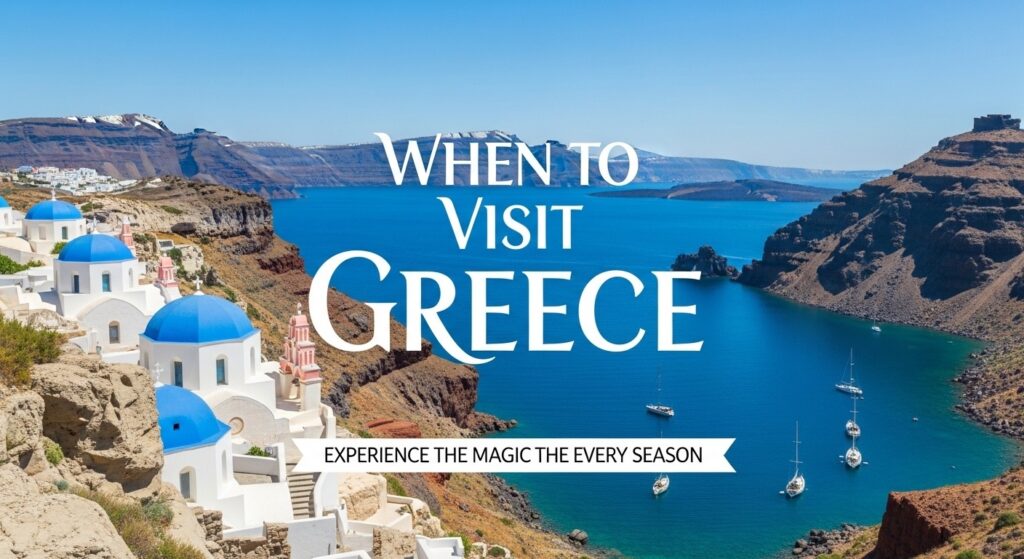
The best time to visit Greece depends entirely on what kind of experience you are looking for and which parts of the country you plan to explore.
Late spring from late April to June is widely considered the finest time to visit Greece. The weather is warm and sunny, the sea is becoming comfortable for swimming, the wildflowers are in full bloom across the islands and the crowds have not yet reached their overwhelming summer peak. Prices for accommodation and flights are also significantly more reasonable during this period.
Summer from July to August is the peak season and the hottest period with temperatures regularly exceeding 35 degrees Celsius across the islands and mainland. The islands are at their most vibrant and beautiful but also extremely crowded and expensive. Book everything many months in advance if you plan to visit during this period.
Early autumn from September to October is an outstanding time to visit. The sea remains warm and perfect for swimming, the crowds and prices decrease noticeably and the light in Greece during autumn is particularly beautiful and golden. This is one of the best kept secrets of Greek travel.
Winter from November to March is quiet across the islands with many businesses and hotels closing completely. Athens however remains a fascinating and enjoyable city to visit during winter with mild temperatures and very few tourists at the major archaeological sites.
Greece Visa Requirements
Understanding Greece visa requirements is an important first step in planning your trip. Greece is a member of the European Union and the Schengen Area which means a Schengen visa covers entry to Greece along with all other participating European countries.
Citizens of the United States, Canada, Australia, the United Kingdom and many other countries can visit Greece without a visa for tourism stays of up to 90 days within any 180 day period. However it is always essential to verify the current entry requirements for your specific nationality before booking your trip as regulations can change.
From 2025 onwards, travelers from many visa exempt countries will be required to obtain an ETIAS travel authorization before visiting Greece and other Schengen countries. This is a simple online process but it is important to check whether this applies to your nationality when planning your visit.
Staying Safe in Greece
Is Greece safe for tourists is a question that almost every first time visitor asks. The straightforward answer is that Greece is one of the safest travel destinations in Europe and the world. It has a well established tourism infrastructure, reliable public services and an extremely welcoming and hospitable local population.
Petty theft and pickpocketing can occasionally occur in crowded tourist areas of Athens such as around the Acropolis, in Monastiraki and on the Metro. Keeping your belongings secure and being aware of your surroundings in busy public spaces is all that is required to travel safely and comfortably. The Greek islands are generally extremely safe and peaceful with very low crime rates.
Budgeting for Your Greece Trip
Understanding your Greece travel budget before you depart will help you plan a realistic and genuinely enjoyable experience without unwanted financial surprises along the way.
- Budget: 50 to 80 dollars per day covering guesthouses, local tavernas and ferry travel between islands
- Mid Range: 100 to 200 dollars per day covering comfortable hotels, restaurants and guided tours
- Luxury: 350 dollars and above per day covering cliff side suites in Santorini, private yacht charters and fine dining
Santorini and Mykonos are the most expensive destinations in Greece by a significant margin. Crete, Rhodes and the lesser known islands offer outstanding value while still delivering an extraordinary Greek island experience. Eating at local tavernas rather than tourist restaurants and traveling by ferry rather than expensive domestic flights are the most effective ways to keep costs manageable.
What to Pack for Greece
A well considered Greece packing list will ensure you are fully prepared for the diverse experiences, climates and activities that Greece has to offer across its mainland and island destinations.
- Lightweight and breathable clothing as summers in Greece are very hot especially on the islands
- A pair of sturdy walking shoes or hiking sandals for exploring ancient sites and hiking trails
- Reef safe sunscreen and high quality sunglasses as the Greek sun is extremely intense especially in summer
- A light scarf or shawl for visiting churches and monasteries where modest dress is required
- A reusable water bottle as staying hydrated is essential in the Greek summer heat
- Comfortable sandals for walking the cobblestone streets of island towns and villages
- A waterproof bag or dry bag for boat trips and beach days on the islands
- All necessary travel documents including passport, visa or ETIAS authorization if required and travel insurance
Closing Thoughts
Greece is a country that touches something deep in every traveler who visits. Whether you are standing on the edge of the Santorini caldera watching the sun sink into the Aegean Sea, walking the ancient streets of Athens in the footsteps of Socrates and Plato, hiking through the wild gorges of Crete or feasting on grilled octopus at a waterfront taverna in Rhodes, the things to do in Greece create memories that stay with you for a lifetime.
This Greece travel guide has covered everything from the best places to visit in Greece and detailed island and city guides to the greek food guide, greece visa requirements, family travel advice and budget planning. With the right preparation and a sense of adventure, Greece will reward you with experiences, beauty and warmth that are simply unlike anywhere else in the world.
Frequently Asked Questions
What are the best things to do in Greece?
The best things to do in Greece include visiting the Acropolis in Athens, watching the sunset in Oia Santorini, exploring the Medieval Old Town of Rhodes, hiking the Samaria Gorge in Crete and island hopping across the Cyclades.
What are the best Greek islands to visit?
The best Greek islands to visit include Santorini for romance and scenery, Mykonos for nightlife and glamour, Crete for history and diversity, Rhodes for medieval history and beaches and Naxos or Paros for a more authentic and quieter experience.
What is the best time to visit Greece?
The best time to visit Greece is from late April to June and September to October for warm weather, manageable crowds and more affordable prices across both the mainland and the islands.
Is Greece safe for tourists?
Yes. Is Greece safe for tourists is a common concern but Greece is one of the safest destinations in Europe with a very welcoming local population and well established tourism infrastructure.
How much does a trip to Greece cost?
Your Greece travel budget can range from 50 dollars per day for budget travelers to 350 dollars or more per day for those seeking a luxury experience in places like Santorini or Mykonos.
Do I need a visa to visit Greece?
Check Greece visa requirements based on your nationality. Many nationalities can visit Greece visa free for up to 90 days under the Schengen Agreement though ETIAS authorization may be required from 2025.
What should I pack for Greece?
A good Greece packing list includes lightweight clothing, sturdy walking shoes, reef safe sunscreen, a light scarf for religious sites, a reusable water bottle and all necessary travel documents.
Is Greece a good destination for families?
Yes. Family vacation in Greece is an outstanding choice thanks to the safe environment, excellent beaches, fascinating historical sites and the famously warm and welcoming attitude of Greek people toward children and families.
What is the Greek food guide essential for?
The Greek food guide is essential for knowing what dishes to seek out, where to find the most authentic dining experiences and how to avoid tourist trap restaurants across Greece’s cities and islands.
What is the best Athens travel guide advice?
The best Athens travel guide advice is to book Acropolis tickets in advance, visit early in the morning, explore beyond the tourist areas into neighborhoods like Koukaki and Psirri and allow at least two to three full days to experience everything the city has to offer.