
Florence: Where Art, History and Beauty Converge
If Rome is the city that built the ancient world and Venice is the city that defies all architectural logic, Florence is the city that quite literally invented the modern world as we understand it culturally, artistically and intellectually. In the narrow cobblestone streets and magnificent stone piazzas of this compact and walkable Tuscan city, the Renaissance was born, nurtured and sent out to transform the entire trajectory of human civilization. The things to do in Florence are rooted in this extraordinary legacy but extend far beyond it into neighborhoods of real and vibrant daily life, a food culture of remarkable depth and honesty and a natural beauty that surrounds the city on every side.
This Florence travel guide is designed to help every type of traveler experience Florence with genuine depth and understanding. Florence is a city that rewards slowness and attention. It is not a place to rush through ticking off a checklist of famous paintings and architectural landmarks. It is a place to sit with a glass of Chianti in a medieval piazza as the light turns golden, to eat the finest bistecca of your life in a neighborhood trattoria that has been serving the same recipe for three generations and to discover that every single church, every courtyard and every street corner contains something of extraordinary beauty and historical significance.
Understanding Florence Before You Arrive
Florence is one of the most densely packed concentrations of world class art, architecture and history in the entire world. The city’s historic center is a UNESCO World Heritage Site and contains within an area of just a few square kilometers more masterpieces of Renaissance art and architecture than most countries possess in their entire national collections. Understanding the best places to visit in Florence and how to organize your time intelligently is the foundation of a truly rewarding visit to this incomparable city.
The key to Florence is prioritizing and booking in advance. The most important museums and attractions including the Uffizi Gallery, the Accademia and the Brunelleschi Dome climb all require advance booking and sell out very quickly throughout the year. Arriving in Florence without pre-booked tickets for these major attractions is one of the most common and easily avoidable mistakes that visitors make.
The Greatest Things to Do in Florence
Things to do in Florence begin with the artistic and architectural landmarks that have made this city one of the most visited and most studied in the entire world and extend outward into the neighborhoods, food markets, hilltop viewpoints and artisan workshops that reveal the living and breathing character of contemporary Florentine life.
Uffizi Gallery Guide
The Uffizi gallery guide begins with a single undeniable fact: this is one of the greatest art museums in the entire world and the most important single repository of Italian Renaissance art in existence. Built along the Arno River by Giorgio Vasari for Cosimo I de Medici in the 16th century, the Uffizi houses an extraordinary collection that includes Botticelli’s Birth of Venus and Primavera, Leonardo da Vinci’s Annunciation, Michelangelo’s Doni Tondo, Raphael’s portraits of Leo X and Titian’s Venus of Urbino among thousands of other masterpieces. Book your tickets many weeks in advance as the Uffizi sells out very quickly especially during spring and summer. Allow at least three hours for a meaningful visit though a full day would not be excessive.
Florence Cathedral Guide
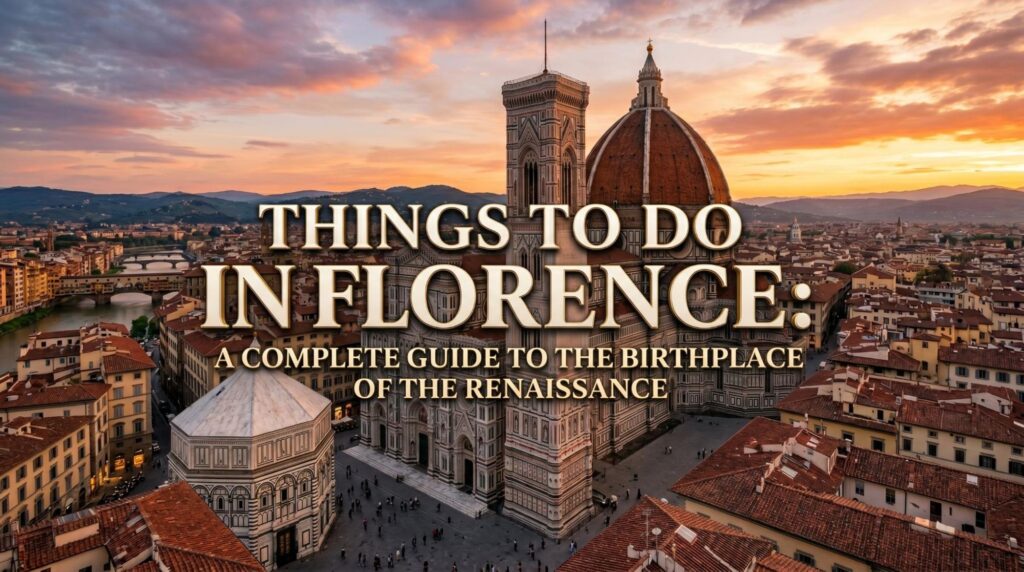
The Florence cathedral guide introduces one of the most magnificent and immediately recognizable buildings in the entire world. The Cathedral of Santa Maria del Fiore with its extraordinary terracotta dome designed by Filippo Brunelleschi between 1420 and 1436 is the defining image of Florence and an engineering achievement of such ambition and ingenuity that it remains one of the most celebrated architectural feats in all of human history. The Cathedral exterior with its extraordinary polychrome marble facade in green, white and pink is breathtaking in itself. Climbing the 463 steps to the top of the dome rewards visitors with the most extraordinary panoramic view over the entire city and surrounding Tuscan hills. The climb is ticketed and must be booked in advance. The adjacent Giotto’s Campanile bell tower and the beautiful octagonal Baptistery with its famous gilded bronze doors known as the Gates of Paradise are equally unmissable components of the Cathedral complex.
Ponte Vecchio Guide
The Ponte Vecchio guide covers Florence’s most iconic and beloved landmark, a medieval bridge spanning the Arno River that has been lined with shops since the 13th century. The current bridge dates from 1345 and its distinctive overhanging shops have been occupied by goldsmiths and jewelers since 1593 when Ferdinando I de Medici expelled the butchers who previously occupied the bridge on the grounds that their trade was incompatible with the dignity of the Vasari Corridor above. Walk across the Ponte Vecchio at dawn when the light is extraordinary and the crowds have not yet arrived for the most magical experience of this irreplaceable landmark.
Accademia Gallery
The Accademia Gallery is home to Michelangelo’s David, one of the most celebrated and technically extraordinary works of sculpture in the entire history of art. The statue stands 5.17 meters tall and was carved from a single block of white Carrara marble between 1501 and 1504 when Michelangelo was just 26 years old. Standing before it in person is a genuinely overwhelming experience that no photograph or reproduction can adequately prepare you for. Book tickets many weeks in advance.
Boboli Gardens Florence
The boboli gardens Florence is one of the earliest and most influential examples of Italian Renaissance garden design in the entire world. Laid out behind the Palazzo Pitti in the 16th century for the Medici family, the Boboli Gardens extend across a hillside of approximately 45,000 square meters and contain an extraordinary collection of fountains, grottos, sculptures, hedgerow labyrinths and cypress tree lined avenues that offer both a beautiful outdoor experience and a remarkable insight into the formal garden aesthetic of the Italian Renaissance. The views over Florence from the upper terraces of the gardens are outstanding.
Piazzale Michelangelo Florence
The Piazzale Michelangelo Florence is an elevated square on a hilltop south of the Arno River that offers the single most spectacular and most photographed panoramic view of Florence in existence. The bronze replica of Michelangelo’s David stands at the center of the square surrounded by one of the most extraordinary urban panoramas in the entire world with the Cathedral dome, Giotto’s bell tower, the Palazzo Vecchio tower and the surrounding Tuscan hills all visible in a single breathtaking sweep. Visit at sunset when the city turns from gold to amber to rose in the fading light for an experience of truly unforgettable beauty.
Best Neighborhoods in Florence
Understanding the best neighborhoods in Florence is essential for experiencing the city beyond its famous museums and landmarks and discovering the genuine character of Florentine daily life.
Oltrarno
The Oltrarno Florence guide introduces the neighborhood that many longtime Florence visitors and residents consider the most authentic, characterful and rewarding part of the entire city. Located on the south bank of the Arno River, the Oltrarno literally means beyond the Arno and has traditionally been the working class and artisan quarter of Florence. It is home to the Palazzo Pitti, the Boboli Gardens and the magnificent Brancacci Chapel but its real character lies in its narrow medieval streets lined with artisan workshops where leather workers, picture framers, restorers and goldsmiths practice their crafts in the same spaces their predecessors occupied centuries ago. The Piazza Santo Spirito at the heart of the neighborhood is one of the most genuinely Florentine squares in the entire city with excellent bars, restaurants and a wonderful morning market.
Santa Croce
The Santa Croce neighborhood takes its name from the magnificent Gothic Basilica of Santa Croce which serves as the burial place of Michelangelo, Galileo, Machiavelli and many other extraordinary figures of Italian history and culture. The neighborhood surrounding it is one of the most vibrant and authentic in Florence with excellent food markets, leather workshops, independent wine bars and restaurants that serve a predominantly local clientele.
San Lorenzo
San Lorenzo is the neighborhood that surrounds the great Medici church of San Lorenzo and the extraordinary Medici Chapels where some of Michelangelo’s finest and most moving sculptures are housed. The neighborhood is also home to Florence’s most famous and bustling outdoor market where leather goods, clothing and souvenirs of every description are sold from colorful stalls that fill the streets around the church every day of the week.
Best Museums in Florence
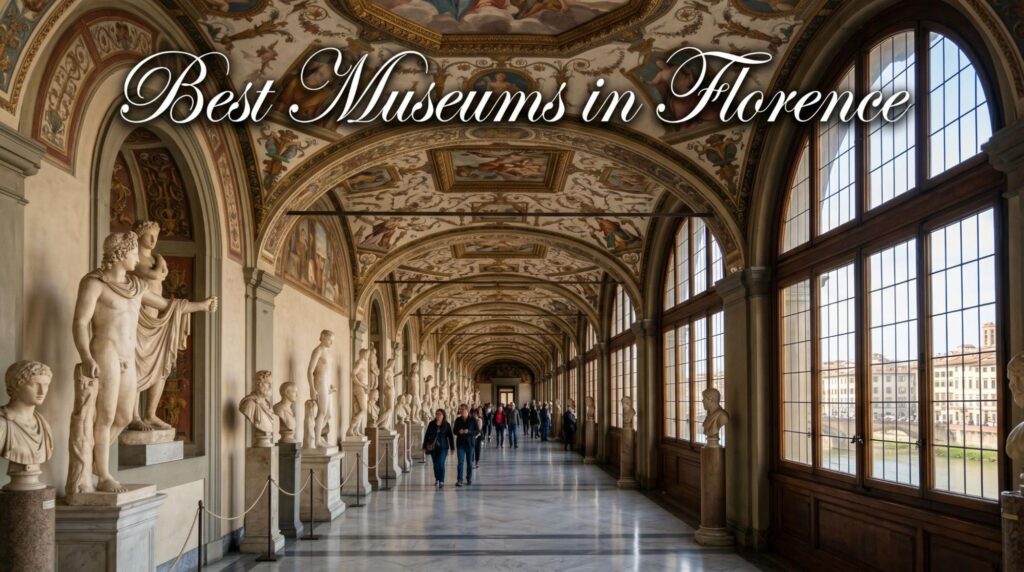
The best museums in Florence extend far beyond the Uffizi and the Accademia to encompass a remarkable range of collections that reveal the full extraordinary depth of Florentine art, history and culture.
The Bargello is Florence’s oldest public building and houses the most important collection of Renaissance sculpture in the world after the Accademia including masterpieces by Donatello, Ghiberti, Verrocchio and Michelangelo. It is consistently less crowded than the Uffizi and Accademia making it one of the most rewarding museum experiences in Florence. The Palazzo Pitti complex on the south bank of the Arno contains no fewer than five separate museums including the Palatine Gallery with its outstanding collection of Renaissance and Baroque paintings and the Royal Apartments with their extraordinary 19th century decorative interiors. The Museo dell’Opera del Duomo houses the original sculptural program of the Cathedral complex including Ghiberti’s original Gates of Paradise doors and Michelangelo’s late Pieta known as the Bandini Pieta.
Florence Food Guide
The Florence food guide reveals a culinary tradition of extraordinary quality, regional pride and deep historical roots that makes Florentine and broader Tuscan cuisine one of the most celebrated and beloved regional food cultures in all of Italy.
Essential Florentine Dishes and Foods
Bistecca alla Fiorentina is the undisputed king of Florentine cuisine, a massive T-bone steak from the Chianina breed of cattle that is cooked over wood embers to rare perfection and served simply with olive oil, salt and lemon. It is sold by weight and shared between two or more people and eating it in a traditional Florentine steakhouse is one of the most genuinely memorable dining experiences in Italy. Lampredotto is the most distinctly and authentically Florentine street food in existence, a sandwich filled with the fourth stomach of a cow slow cooked in a rich broth and served from the famous lampredotto carts that are found throughout the city center. Ribollita is a thick and deeply satisfying Tuscan bread and vegetable soup that is twice cooked as its name suggests and represents the most honest and nourishing tradition of cucina povera cooking. Crostini di fegatini are toasted bread topped with a smooth and richly flavored chicken liver pate that appears on virtually every antipasto menu in the city. Cantucci with Vin Santo are the most beloved Florentine dessert, hard almond biscuits intended to be dipped into the sweet amber dessert wine of Tuscany.
Where to Eat and Drink in Florence
The Mercato Centrale is Florence’s most magnificent food market, a two story cast iron and glass structure near San Lorenzo where the ground floor is occupied by outstanding fresh produce, meat, cheese and wine vendors and the upper floor houses an excellent food court with a wide range of prepared dishes. The Oltrarno neighborhood and the Santa Croce area offer the most consistently excellent and authentically local dining experiences in Florence. The Enoteca Alessi near the Cathedral is one of the finest wine shops in the city for discovering the extraordinary range and quality of Tuscan wines.
Day Trips From Florence
The day trips from Florence available to visitors are among the finest available from any city in Italy given Florence’s extraordinary central location in the heart of Tuscany.
Siena is the most rewarding and most frequently visited day trip from Florence, a magnificent medieval hill town of extraordinary beauty whose shell-shaped Piazza del Campo is one of the most beautiful public squares in the entire world and whose stunning Gothic Cathedral contains some of the finest medieval art in Italy. The journey from Florence takes approximately 75 minutes by bus. San Gimignano is a remarkable UNESCO listed medieval town famous for its extraordinary collection of medieval towers that rise above the surrounding Tuscan countryside creating one of the most iconic silhouettes in all of Italy. Pisa is most famous for its Leaning Tower which is indeed extraordinary in person and is located within a beautiful ensemble of Romanesque architecture on the Field of Miracles that is far more rewarding and impressive than most visitors expect. Chianti is the most celebrated wine producing region in Tuscany and arguably in all of Italy, a landscape of extraordinary beauty where medieval villages, ancient vineyards, cypress tree lined roads and hilltop castles create a panorama of such perfection that it seems almost staged.
Getting Around Florence
Getting around Florence is predominantly done on foot as the historic center of the city is extremely compact and almost all of the major attractions are within comfortable walking distance of one another. The city center is also a Limited Traffic Zone known as the ZTL where private vehicles are not permitted during certain hours making walking the most logical and enjoyable way to explore. Taxis are available and metered. Buses serve the broader city and surrounding areas. Cycling is increasingly popular in Florence with several bike sharing services available throughout the city.
Florence for First Time Visitors
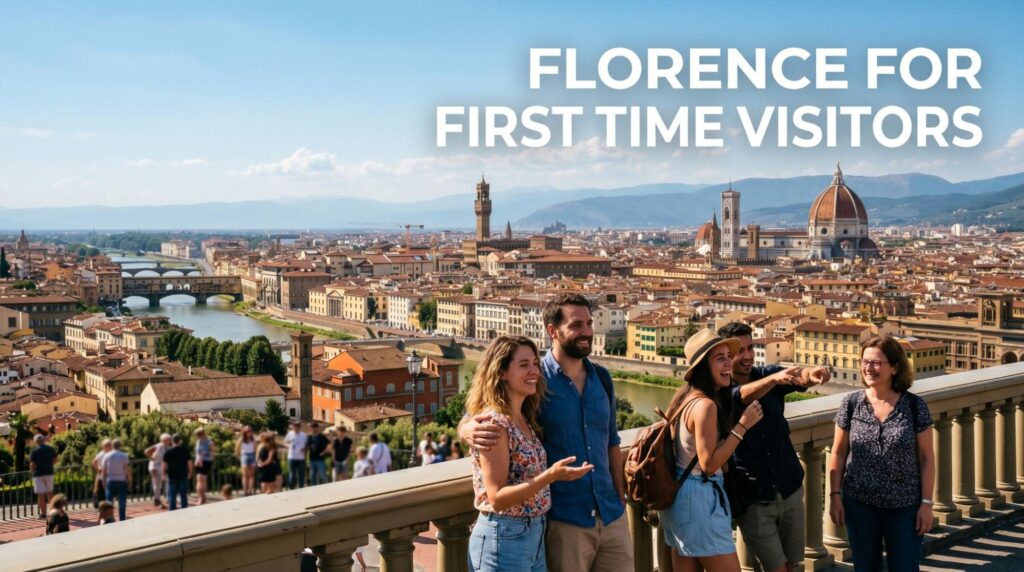
Florence can feel overwhelming for first time visitors given the extraordinary concentration of world class art and architecture compressed into such a small area. The most important advice is to book all major museum and attraction tickets well in advance, to allow enough time in each location to genuinely absorb what you are seeing rather than rushing from one famous work to the next and to spend at least as much time exploring the streets, markets and restaurants of the city as you do inside the museums. Florence is a city where the experience between the museums is every bit as rewarding as the experience within them.
Florence Itinerary
Florence Itinerary 3 Days
A Florence itinerary of 3 days gives you enough time to experience the essential highlights of this extraordinary city with a reasonable degree of depth and unhurried exploration.
Day 1 is devoted to the Cathedral complex beginning with the Brunelleschi Dome climb for the finest panoramic views in the city followed by the Baptistery and Giotto’s Campanile. The afternoon is spent in the Bargello sculpture museum followed by an evening walk across the Ponte Vecchio and dinner in the Oltrarno neighborhood.
Day 2 is devoted to the Uffizi Gallery for which an entire morning and early afternoon should be reserved followed by the Piazza della Signoria and the Palazzo Vecchio in the late afternoon and sunset from the Piazzale Michelangelo in the evening.
Day 3 is devoted to the Accademia Gallery to see Michelangelo’s David in the morning followed by the San Lorenzo neighborhood and Medici Chapels in the afternoon and a final evening exploring the Santa Croce neighborhood and its magnificent basilica.
Extended Florence Itinerary
A Florence itinerary of five or more days allows for a much more complete and deeply rewarding exploration of the city including the Palazzo Pitti and Boboli Gardens, the Brancacci Chapel in the Oltrarno, extended time in the artisan workshops and food markets of the city and at least one or two day trips into the surrounding Tuscan countryside.
Best Time to Visit Florence
The best time to visit Florence is from April to June and September to October. During these months the weather is warm and pleasant with temperatures between 18 and 28 degrees Celsius, the light is extraordinary for experiencing and photographing the city and the summer crowds have not yet reached their overwhelming peak or have begun to thin considerably. Spring in particular is a wonderful time to visit Florence as the surrounding Tuscan countryside is in full bloom and the city has an energy and freshness that is particularly appealing.
July and August are the hottest and most crowded months in Florence with temperatures regularly exceeding 35 degrees Celsius and the major museums and attractions becoming very crowded especially in the middle of the day. If visiting during these months, plan to visit the major attractions very early in the morning and retreat to cooler spaces during the hottest hours of the afternoon.
November to March offers the quietest experience of Florence with very short or nonexistent queues at major attractions, more affordable accommodation prices and an authentic and local atmosphere that is impossible to experience during the busy tourist season. The weather is cool to cold and occasionally rainy but many visitors find the off season Florence experience deeply rewarding precisely because of its quietness and authenticity.
Is Florence Safe for Tourists
Is Florence safe for tourists is a question most first time visitors ask before planning their trip. Florence is a very safe city with an extremely low violent crime rate and a well established tourism infrastructure that welcomes millions of visitors every year. The most common concern is pickpocketing which can occur in crowded tourist areas particularly around the Cathedral, the Ponte Vecchio and on busy buses. Keeping your belongings secure and using a crossbody or anti theft bag in crowded spaces is all the precaution that is required. With basic awareness Florence is an extraordinarily safe and welcoming city.
Closing Thoughts
Florence is a city that makes you believe in the power of human creativity and ambition in a way that very few places on earth can match. Whether you are standing before Botticelli’s Birth of Venus in the Uffizi and feeling the hairs rise on the back of your neck, climbing the 463 steps of Brunelleschi’s impossible dome and emerging into a panorama of extraordinary Tuscan beauty, eating the finest bistecca of your life in a candlelit Oltrarno trattoria or simply sitting on the steps of the Piazza Santo Spirito on a warm evening with a glass of Morellino in your hand as the neighborhood comes alive around you, the things to do in Florence create experiences of genuine and lasting beauty that stay with you for the rest of your life.
Frequently Asked Questions
What are the best things to do in Florence?
The best things to do in Florence include visiting the Uffizi Gallery, climbing Brunelleschi’s Cathedral dome, seeing Michelangelo’s David at the Accademia, walking across the Ponte Vecchio, exploring the Oltrarno neighborhood and watching the sunset from the Piazzale Michelangelo.
How many days do I need in Florence?
A Florence itinerary of 3 days covers the essential highlights comfortably. A Florence itinerary of five or more days allows for a much more complete and deeply rewarding exploration including day trips into the surrounding Tuscan countryside.
What is the best time to visit Florence?
The best time to visit Florence is from April to June and September to October for the finest combination of pleasant weather, manageable crowds and the most beautiful light for experiencing the city and its extraordinary art and architecture.
Is Florence safe for tourists?
Yes. Is Florence safe for tourists is a common concern but Florence is a very safe city. The main advice is to keep belongings secure in crowded tourist areas and use a crossbody bag in busy spaces around the major attractions.
What is the Oltrarno neighborhood like?
The Oltrarno Florence guide describes the most authentic and characterful neighborhood in Florence, a working class and artisan quarter on the south bank of the Arno famous for its craft workshops, the Palazzo Pitti, the Boboli Gardens and the wonderful Piazza Santo Spirito.
What are the best day trips from Florence?
The best day trips from Florence include Siena for its extraordinary medieval beauty, San Gimignano for its famous towers, Pisa for the Leaning Tower and the Chianti wine region for one of the most beautiful and celebrated landscapes in all of Italy.
What is the Uffizi Gallery like?
The Uffizi gallery guide describes one of the greatest art museums in the entire world housing the most important collection of Italian Renaissance art in existence including masterpieces by Botticelli, Leonardo da Vinci, Michelangelo and Raphael. Always book tickets many weeks in advance.
What are the Boboli Gardens like?
The Boboli gardens Florence is one of the earliest and most influential Italian Renaissance gardens in the world, laid out by the Medici family in the 16th century with extraordinary fountains, grottos, sculptures and outstanding views over Florence from its upper terraces.