
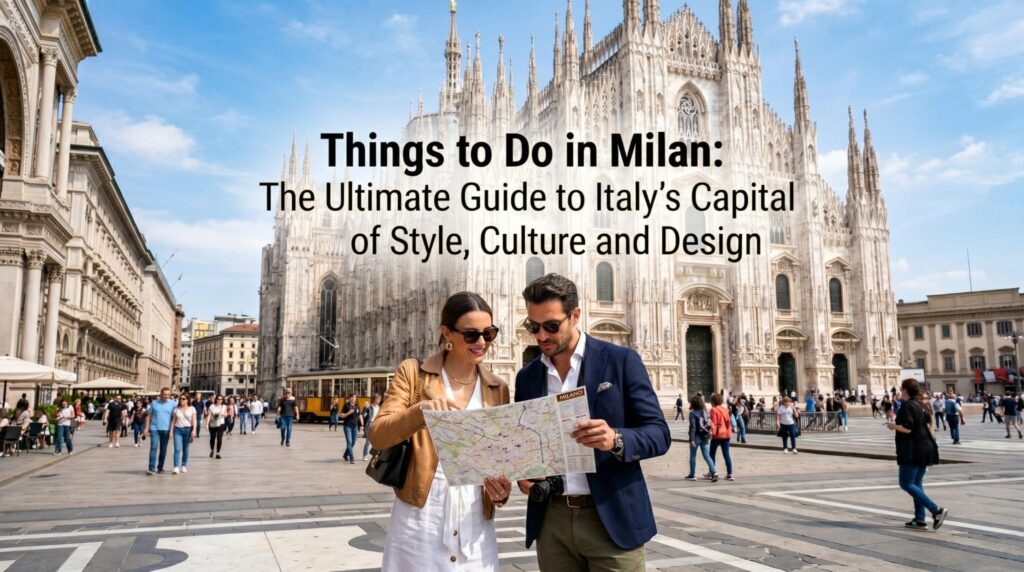
Milan: Far More Than Fashion and Football
Milan is a city that is consistently and frustratingly underestimated by travelers who pass through it on their way to Venice, Florence or Rome without giving it the time and attention it genuinely deserves. This is a profound mistake. Milan is not merely Italy’s financial capital and global fashion hub. It is a city of extraordinary artistic depth, remarkable architectural variety, one of the greatest collections of Renaissance art in the entire world, a food and aperitivo culture of genuine sophistication and a contemporary creative energy in design, music, cinema and gastronomy that makes it one of the most exciting and multidimensional cities in all of Europe. The things to do in Milan are as varied, as rewarding and as consistently surprising as the city itself.
This Milan travel guide is designed to help every type of traveler discover the real Milan that exists beyond the designer boutiques of the Quadrilatero della Moda and the tourist crowds around the Cathedral. It is a city of beautiful neighborhoods, world class galleries, legendary aperitivo bars, extraordinary food markets, remarkable historic churches containing some of the finest Renaissance frescoes in existence and a street life and contemporary culture that is among the most vibrant and sophisticated in all of Italy.
Discovering the Best of Milan
The best places to visit in Milan span a remarkable range of experiences from the unmissable artistic and architectural landmarks of the historic center to the creative neighborhoods, design districts and aperitivo bars that reveal the genuinely contemporary and forward looking character of this extraordinary city.
Milan rewards those who look beyond the obvious. The Cathedral and Leonardo’s Last Supper are absolutely essential and deserve every moment of attention they receive. But Milan also rewards the traveler who spends a morning wandering through the Brera neighborhood discovering its extraordinary art gallery and artisan boutiques, who discovers the Navigli canal district at aperitivo hour when the entire neighborhood comes alive with the most convivial and authentic social ritual in the city and who understands that the true Milan is as much about the present and the future as it is about the past.
Top Attractions and Things to Do in Milan
Things to do in Milan begin with the landmarks and cultural institutions that have defined this city for centuries and extend outward into the neighborhoods, markets, design spaces and nightlife venues that reveal the living and breathing character of contemporary Milanese life.
Milan Cathedral Guide
The Milan cathedral guide begins with a simple and unavoidable acknowledgment that the Duomo di Milano is one of the most extraordinary buildings in the entire world. The third largest Catholic church in the world and the largest Gothic cathedral in Italy, it took nearly six centuries to complete from the laying of the foundation stone in 1386 to the placement of the last of its 135 marble spires in 1965. The exterior is a forest of white Candoglia marble pinnacles, spires, flying buttresses and over 3,400 statues creating an effect of almost overwhelming Gothic exuberance that no photograph can adequately convey. The Cathedral interior is equally extraordinary with a nave of remarkable height and solemnity and beautiful stained glass windows that fill the space with colored light. The rooftop terrace is one of the finest and most unusual viewpoints in all of Milan offering an intimate encounter with the forest of marble spires and distant views over the city and on clear days toward the Alps. Book rooftop tickets in advance.
Last Supper Milan Guide
Leonardo da Vinci’s Last Supper painted between 1495 and 1498 on the refectory wall of the convent of Santa Maria delle Grazie is one of the most celebrated, most studied and most reproduced paintings in the entire history of art and experiencing it in person is one of the most genuinely moving and intellectually overwhelming artistic encounters available anywhere in the world. Only 30 visitors are admitted every 15 minutes to protect the fragile tempera painting from humidity and damage and tickets sell out weeks and sometimes months in advance. Book your tickets as early as humanly possible after your travel dates are confirmed. The painting’s extraordinary compositional genius, the psychological depth of the individual apostles’ reactions to Christ’s announcement and the revolutionary use of perspective and light that Leonardo achieved on this wall are fully apparent only when standing before it in person.
Galleria Vittorio Emanuele II
The Galleria Vittorio Emanuele II is the most magnificent shopping arcade in the entire world and one of the finest examples of 19th century iron and glass architecture in existence. Built between 1865 and 1877 and named after the first King of unified Italy, it connects the Piazza del Duomo to the Piazza della Scala and serves as the covered living room of Milan, a place where Milanese citizens have gathered to eat, drink, shop and socialize for over 150 years. The glass and iron vaulted roof, the elaborate mosaic floor and the extraordinary sense of light and space make it one of the most beautiful interiors in all of Italy regardless of whether you spend a single euro there.
Teatro alla Scala
La Scala is the most famous and most prestigious opera house in the entire world. Opened in 1778 and rebuilt after wartime bombing in 1946, it has hosted the world premieres of some of the most celebrated operas in the repertoire and has been graced by virtually every great singer, conductor and composer in the history of the art form. The adjacent Museo Teatrale alla Scala houses a fascinating collection of opera memorabilia, set designs, costumes and historical documents. Attending a performance at La Scala is one of the most extraordinary cultural experiences available in all of Italy and tickets should be booked many months in advance for the most sought after productions.
Best Neighborhoods in Milan
Understanding the best neighborhoods in Milan is absolutely essential for experiencing the city beyond its most famous and most visited landmarks and discovering the genuine and contemporary character of Milanese daily life.
Brera Milan Guide
The Brera Milan guide introduces what is widely considered the most beautiful, most atmospheric and most culturally rich neighborhood in all of Milan. Located immediately north of the Cathedral district, Brera is a neighborhood of narrow cobblestone streets, Renaissance churches, excellent independent restaurants, antique dealers, art galleries, boutique bookshops and the extraordinary Pinacoteca di Brera which is the most important art museum in Milan and one of the finest in all of Italy. The neighborhood has an unmistakably Parisian quality to its street life and architecture that makes it feel completely distinct from the rest of the city. The Via Fiori Chiari and Via Madonnina are the most charming and beautiful streets in the neighborhood lined with the kinds of independent creative businesses and excellent small restaurants that define the genuine character of this extraordinary quarter.
Navigli Milan Guide
The Navigli Milan guide covers what is without question the most vibrant, most social and most authentically lively neighborhood in contemporary Milan. The Navigli district takes its name from the network of navigable canals that run through it and which were originally designed by Leonardo da Vinci as part of a broader Milanese hydraulic engineering project in the late 15th century. Today the canalside streets and towpaths are lined with bars, restaurants, vintage shops, antique markets and art galleries that create one of the most lively and colorful urban environments in all of Italy. The Navigli aperitivo culture which takes place every evening from approximately 6pm to 9pm when bars fill with locals drinking Campari Spritz and Negroni alongside generous spreads of complimentary food is one of the most genuinely enjoyable social rituals available anywhere in Italy and an absolutely essential Milan experience.
Isola
Isola is Milan’s most rapidly evolving and most creatively exciting neighborhood, a former working class district immediately north of the Garibaldi railway station that has been transformed over the past decade into one of the most vibrant and innovative areas in the entire city. The neighborhood is home to some of the finest independent restaurants, concept stores, street art installations and design studios in Milan and the extraordinary Bosco Verticale vertical forest apartment towers designed by Stefano Boeri which have become the most internationally recognized piece of contemporary architecture in the city are located on its southern edge.
Porta Venezia
Porta Venezia is one of the most diverse, most cosmopolitan and most genuinely interesting neighborhoods in Milan, a quarter of beautiful Liberty style architecture, excellent multicultural restaurants, independent boutiques and one of the most vibrant and welcoming community atmospheres in the entire city. The beautiful Giardini Pubblici Indro Montanelli public gardens at the heart of the neighborhood are the finest and most atmospheric urban park in central Milan.
Milan Fashion Guide
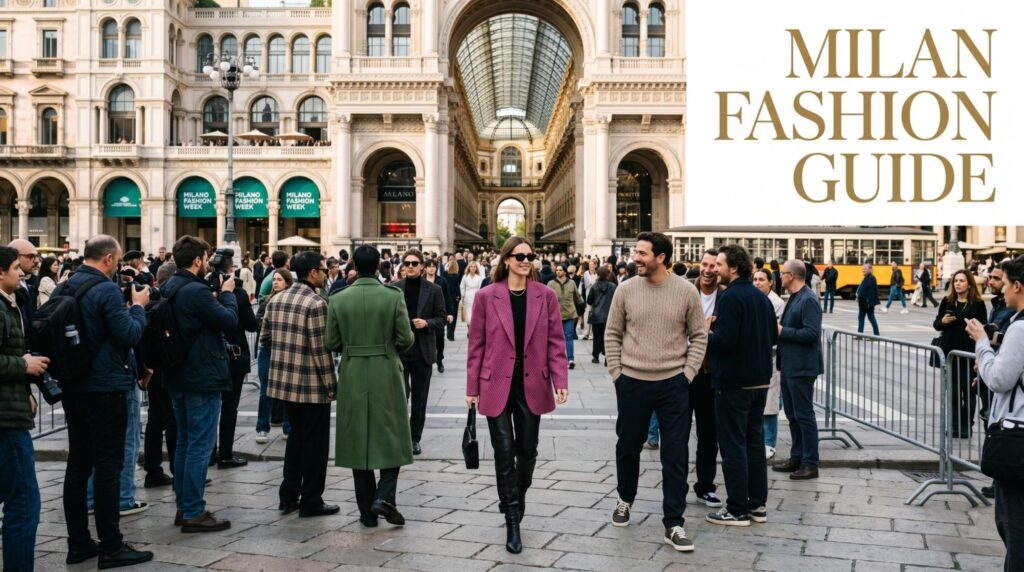
The Milan fashion guide begins with the understanding that Milan is not merely one of the fashion capitals of the world but arguably the most influential and commercially significant fashion city on earth. The Quadrilatero della Moda fashion district bounded by Via Montenapoleone, Via della Spiga, Via Manzoni and Corso Venezia is home to the flagship stores of virtually every major Italian and international luxury fashion house and represents the most concentrated and most prestigious concentration of high fashion retail anywhere in the world. Via Montenapoleone is consistently ranked as one of the most expensive retail streets in the entire world with flagship stores of Prada, Gucci, Versace, Armani, Valentino and dozens of other legendary houses lining both sides of the street.
For those who want to experience Milan fashion at a more accessible price point, the Corso Buenos Aires is the longest commercial street in Europe with over 350 shops offering a complete range of Italian and international fashion brands at every budget level. The Navigli and Isola neighborhoods offer the finest concentration of independent and emerging Italian fashion designers and vintage clothing dealers in the city.
Milan Design Guide
The Milan design guide is an essential companion for anyone visiting the city during the Salone del Mobile design fair which takes place every April and transforms Milan into the most important and most exciting design destination in the entire world. During this period the entire city becomes a design exhibition with events, installations and showcases happening in palaces, courtyards, factories, galleries and public spaces throughout all of Milan’s neighborhoods. Outside of the Salone season, the Triennale di Milano is the most important permanent design museum in the city with an outstanding collection of Italian design objects and a consistently excellent program of temporary exhibitions dedicated to architecture, design and contemporary visual culture.
Milan Shopping Guide
The Milan shopping guide reveals a city of extraordinary retail variety that extends far beyond the luxury fashion district to encompass some of the finest food markets, antique fairs, vintage clothing dealers and artisan workshops in all of Italy. The Mercato di Porta Romana is one of the finest and most authentic daily food markets in Milan. The Navigli antique market which takes place on the last Sunday of every month along the Naviglio Grande canal is the largest antique market in Europe with hundreds of dealers selling everything from antique furniture and vintage jewelry to rare books and collectible objects. The Mercato Wagner near the Corso Vercelli is the most beautiful and most authentic covered food market in Milan with outstanding fresh produce, cheese, meat and fish vendors.
Milan Nightlife Guide
The Milan nightlife guide covers one of the most sophisticated, most varied and most genuinely exciting after dark cultures in all of Italy. Milan nightlife begins with the aperitivo hour which takes place every evening from approximately 6pm to 9pm and is the most characteristically Milanese social ritual in existence. The Navigli district is the finest location for aperitivo with dozens of canalside bars offering Campari Spritz, Negroni and Aperol Spritz alongside generous complimentary food. Corso Como is one of the most stylish and most internationally recognized nightlife streets in Milan, home to the legendary 10 Corso Como concept store and bar and several of the finest cocktail bars in the city. The Isola neighborhood offers the most creative and most independently spirited nightlife in Milan with excellent cocktail bars, wine bars and live music venues that attract a young and genuinely local crowd.
Best Museums in Milan
The best museums in Milan extend far beyond the Pinacoteca di Brera to encompass a remarkable range of collections that reveal the full depth and breadth of Milanese and broader Italian art, history, design and culture.
The Pinacoteca di Brera is the most important art museum in Milan housing an extraordinary collection of Northern Italian painting from the 14th to the 20th century including masterpieces by Raphael, Caravaggio, Mantegna, Bellini and Piero della Francesca. The Pinacoteca Ambrosiana is one of the oldest and most important libraries and art museums in the entire world housing Leonardo da Vinci’s Codex Atlanticus which is the largest surviving collection of Leonardo’s drawings and writings in existence alongside outstanding paintings by Raphael, Caravaggio and Titian. The Museo del Novecento overlooking the Piazza del Duomo houses an outstanding collection of 20th century Italian art including important works by Boccioni, Morandi, De Chirico and Fontana. The Fondazione Prada in the southern Porta Romana district is the most architecturally extraordinary and most intellectually ambitious contemporary art institution in Milan, housed in a magnificently renovated former distillery complex with additional structures designed by Rem Koolhaas.
Milan Food Guide
The Milan food guide reveals a culinary tradition that is often overshadowed by the more internationally famous food cultures of Rome, Naples and Bologna but which is in reality one of the most refined, most varied and most genuinely satisfying regional food traditions in all of Italy.
Essential Milanese Dishes and Foods
Risotto alla Milanese is the most iconic and most distinctly Milanese dish in existence, a creamy and deeply flavored risotto colored and flavored with saffron that has been the defining dish of the Milanese kitchen for centuries. The technique required to produce a perfect risotto alla Milanese is demanding and the result when executed with the finest Carnaroli rice, the best saffron and properly aged Parmigiano Reggiano is one of the most deeply satisfying dishes in all of Italian cooking. Cotoletta alla Milanese is a thin bone in veal chop breaded and fried in clarified butter until perfectly golden and crispy and is one of the most beloved and most hotly contested dishes in the Milanese culinary canon with an ongoing and deeply felt dispute with Vienna over the question of which city invented the breaded cutlet first. Ossobuco in Gremolata is braised veal shank slow cooked with white wine, tomatoes and vegetables and finished with a bright gremolata of lemon zest, garlic and parsley that is one of the most celebrated and most deeply flavored dishes in the Milanese repertoire. Panettone is the most famous and most internationally recognized food product that Milan has given to the entire world, a tall sweet bread enriched with butter, eggs, sugar, candied orange peel and raisins that is the most beloved Christmas cake in all of Italy and increasingly in much of the world.
Where to Eat in Milan
The Brera neighborhood offers the finest concentration of quality independent restaurants in central Milan with an excellent range of both traditional Milanese cuisine and creative contemporary cooking. The Navigli district is the best area for casual and affordable dining with a particularly strong selection of excellent osterie and trattorias along the canalside streets. The Peck delicatessen on Via Spadari near the Cathedral is the most famous and most extraordinary food shop in Milan, a multi story temple of the finest Italian food products including cheese, charcuterie, truffles, olive oil, wine and prepared foods of the highest quality.
Day Trips From Milan
The day trips from Milan available to visitors are outstanding given Milan’s exceptional transport connections and its central location in the Po Valley surrounded by some of the finest landscapes and most historically significant cities in all of Northern Italy.
Lake Como is the most popular and most rewarding day trip from Milan, a magnificent Alpine lake of extraordinary natural beauty surrounded by dramatic mountains and dotted with elegant 19th century villas and charming lakeside towns including Como, Bellagio, Varenna and Menaggio. The journey from Milan to Como takes approximately 40 minutes by train. Lake Maggiore is a slightly less visited but equally beautiful Alpine lake to the northwest of Milan with the extraordinary Borromean Islands in its center including the magnificently baroque Isola Bella with its elaborate terraced gardens. Bergamo is one of the most undervisited and most rewarding day trips from Milan, a beautiful city of two completely distinct parts where a lower modern city sits below a magnificently preserved medieval upper city known as the Città Alta that is enclosed within Venetian walls and contains some of the finest medieval and Renaissance architecture in Lombardy. Verona is approximately 90 minutes from Milan by high speed train and offers an extraordinary concentration of Roman ruins, medieval architecture and Renaissance art in one of the most beautiful and most historically significant cities in Northern Italy.
Getting Around Milan
Getting around Milan is straightforward and efficient thanks to one of the finest urban public transport networks in all of Italy. The Milan Metro has four lines covering the city comprehensively with the M1 red line and M3 yellow line being the most useful for visitors staying in the central areas. The extensive tram network that covers the historic center and inner neighborhoods is one of the most characterful and enjoyable ways to move through the city. A 24 hour or 48 hour travel pass covering all metro, tram and bus services represents excellent value for visitors planning to use public transport frequently. The historic center is also very walkable and many of the most important attractions including the Cathedral, the Galleria, La Scala, the Pinacoteca di Brera and the Via Montenapoleone fashion district are within comfortable walking distance of one another.
Milan Itinerary
Milan Itinerary 3 Days
A Milan itinerary of 3 days gives you enough time to experience the essential highlights of this extraordinary city while also allowing time to discover some of the neighborhoods and cultural experiences that reveal its genuine contemporary character.
Day 1 begins with the Cathedral and its rooftop terrace in the morning followed by the Galleria Vittorio Emanuele II and the Piazza della Scala in the early afternoon. The late afternoon is spent exploring the Via Montenapoleone fashion district and the evening is devoted to aperitivo in the Navigli district.
Day 2 is devoted to Leonardo da Vinci’s Last Supper in the morning with a pre booked timed entry ticket followed by the Castello Sforzesco and its museums in the early afternoon and an extended exploration of the Brera neighborhood including the Pinacoteca di Brera in the late afternoon and dinner in one of the neighborhood’s excellent restaurants.
Day 3 begins with the Fondazione Prada or the Museo del Novecento in the morning followed by the Navigli antique market if visiting on the last Sunday of the month or the Mercato Wagner food market on other days and an afternoon exploring the Isola neighborhood before a final evening experiencing the best of the city’s cocktail bar culture.
Extended Milan Itinerary
A Milan itinerary of five or more days allows for a much more complete and deeply rewarding exploration of the city including all the major museum collections, deeper exploration of the design and fashion districts, attendance at a performance at La Scala and day trips to Lake Como, Bergamo or Verona.
Best Time to Visit Milan
The best time to visit Milan is from April to June and September to October when the weather is warm and pleasant, the city is at its most vibrant and the major cultural and fashion events of the Milanese calendar are taking place. The Salone del Mobile design fair in April is the most exciting and most creatively stimulating time to visit Milan but also the busiest and most expensive so book accommodation many months in advance. Milan Fashion Week takes place twice a year in February to March and September to October and brings the city to its most glamorous and most internationally focused peak.
July and August are hot and relatively quiet in Milan as most Milanese residents leave the city for their summer holidays creating a slightly subdued atmosphere particularly in the evenings and on weekends. November to February is cold and occasionally foggy in Milan but offers the most affordable accommodation prices and the most authentic and local atmosphere of any season, particularly during the extraordinary Christmas period when the city decorates itself with remarkable extravagance.
Is Milan Safe for Tourists
Is Milan safe for tourists is a question that most first time visitors ask before planning their trip. Milan is a very safe city with a well developed tourism infrastructure and a professional and visible police presence in the major tourist areas. The most common concern is pickpocketing which can occur on busy Metro lines particularly the M1 red line and in crowded areas around the Cathedral and the Central Railway Station. Keeping your belongings secure, using a crossbody bag and being alert on crowded public transport is all that is required to travel safely and comfortably throughout Milan. The city is extremely welcoming to international visitors and violent crime directed at tourists is extremely rare.
Milan Visa Requirements
Milan visa requirements follow the same rules as the broader Italian and Schengen Area entry requirements. Citizens of the United States, Canada, Australia, the United Kingdom and many other countries can visit Milan and Italy without a visa for tourism stays of up to 90 days within any 180 day period. From 2025 onwards travelers from many previously visa exempt countries will be required to obtain an ETIAS travel authorization before visiting. Always verify the most current requirements for your specific nationality before booking your trip.
Milan Travel Budget
Milan is the most expensive city in Italy by a significant margin and visitors should plan their budget accordingly. Budget travelers staying in hostels and eating at local bars and markets can manage on approximately 80 to 110 dollars per day. Mid-range travelers staying in comfortable hotels and dining at good restaurants should budget between 150 and 250 dollars per day. Luxury travel in Milan including five star hotels in the fashion district, fine dining at Michelin starred restaurants and exclusive shopping experiences starts from 400 dollars per day and can go considerably higher.
Budget travel in Milan is achievable with smart choices. Taking advantage of the aperitivo culture in the Navigli district where a single drink purchase includes access to an extensive complimentary food spread is one of the most effective and most enjoyable ways to eat well in Milan at a very affordable price. Many of Milan’s greatest experiences including the Cathedral exterior, the Galleria Vittorio Emanuele II, the Navigli canals and the best of the city’s street life and neighborhood atmosphere are completely free to enjoy.
Closing Thoughts
Milan is a city that gives back in direct proportion to the curiosity and attention you bring to it. The traveler who arrives expecting only designer boutiques and business hotels will find those things in abundance. The traveler who arrives with genuine curiosity about what lies beyond the obvious will discover one of the most extraordinary, most sophisticated and most multidimensional cities in all of Europe. Whether you are standing before Leonardo’s Last Supper feeling the full weight of one of humanity’s greatest artistic achievements, watching the sunset turn the Cathedral’s marble spires from white to gold from the rooftop terrace, drinking a perfectly made Negroni on a canalside terrace in the Navigli as the entire neighborhood fills with the most convivial and joyful social energy in Italy or discovering a canvas by Caravaggio in the quiet rooms of the Pinacoteca di Brera with virtually no other visitor in sight, the things to do in Milan create a quality and variety of experience that will fundamentally change your understanding of what this remarkable city truly is.
This Milan travel guide has covered the essential landmarks, neighborhoods, museums, food culture, fashion, design, shopping, nightlife, day trips and practical information you need to plan an extraordinary visit to Italy’s most sophisticated and most underestimated city.
Frequently Asked Questions
What are the best things to do in Milan?
The best things to do in Milan include visiting the Cathedral and its rooftop, experiencing Leonardo’s Last Supper, exploring the Galleria Vittorio Emanuele II, discovering the Brera neighborhood and Pinacoteca, enjoying aperitivo in the Navigli and exploring the extraordinary fashion and design culture of the city.
How many days do I need in Milan?
A Milan itinerary of 3 days covers the essential highlights comfortably. A Milan itinerary of five or more days allows for a much more complete exploration including all the major museums, day trips and deeper immersion in the city’s fashion, design and nightlife culture.
What is the best time to visit Milan?
The best time to visit Milan is from April to June and September to October for the finest combination of pleasant weather, vibrant city life and the most important fashion and design events of the Milanese calendar.
Is Milan safe for tourists?
Yes. Is Milan safe for tourists is a common concern but Milan is a very safe city. The main advice is to keep belongings secure on busy Metro lines and in crowded areas around the Cathedral and Central Railway Station.
What is the Milan fashion guide most useful for?
The Milan fashion guide is most useful for understanding the layout and character of the Quadrilatero della Moda luxury fashion district, knowing where to find independent and emerging Italian designers and understanding how to experience Milan’s extraordinary fashion culture at every budget level.
What is the Navigli neighborhood like?
The Navigli Milan guide describes the most vibrant and most socially alive neighborhood in contemporary Milan, a canalside district of bars, restaurants, vintage shops and art galleries that comes most magnificently alive every evening during the legendary Milanese aperitivo hour.
What is the Brera neighborhood like?
The Brera Milan guide describes the most beautiful and most culturally rich neighborhood in Milan, a quarter of cobblestone streets, Renaissance churches, excellent independent restaurants, artisan boutiques and the outstanding Pinacoteca di Brera art museum.
What are the best day trips from Milan?
The best day trips from Milan include Lake Como for breathtaking Alpine lake scenery, Lake Maggiore for the extraordinary Borromean Islands, Bergamo for its magnificently preserved medieval upper city and Verona for an outstanding concentration of Roman ruins and medieval architecture.